Arequipa (pronounced air-a-keep-a) has been both Sarah’s and my favorite town in Peru so far! Known as the “ciudad blanca,” the town center is comprised of beautiful white stone buildings sitting beneath Misti, an active volcano. 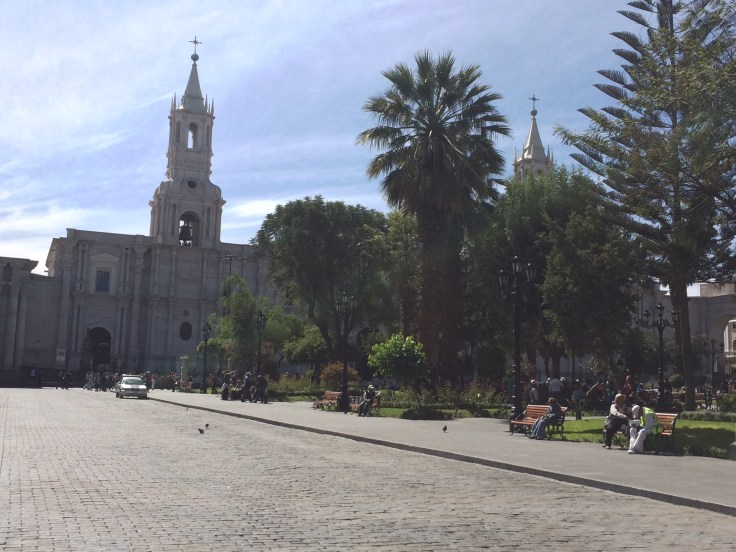
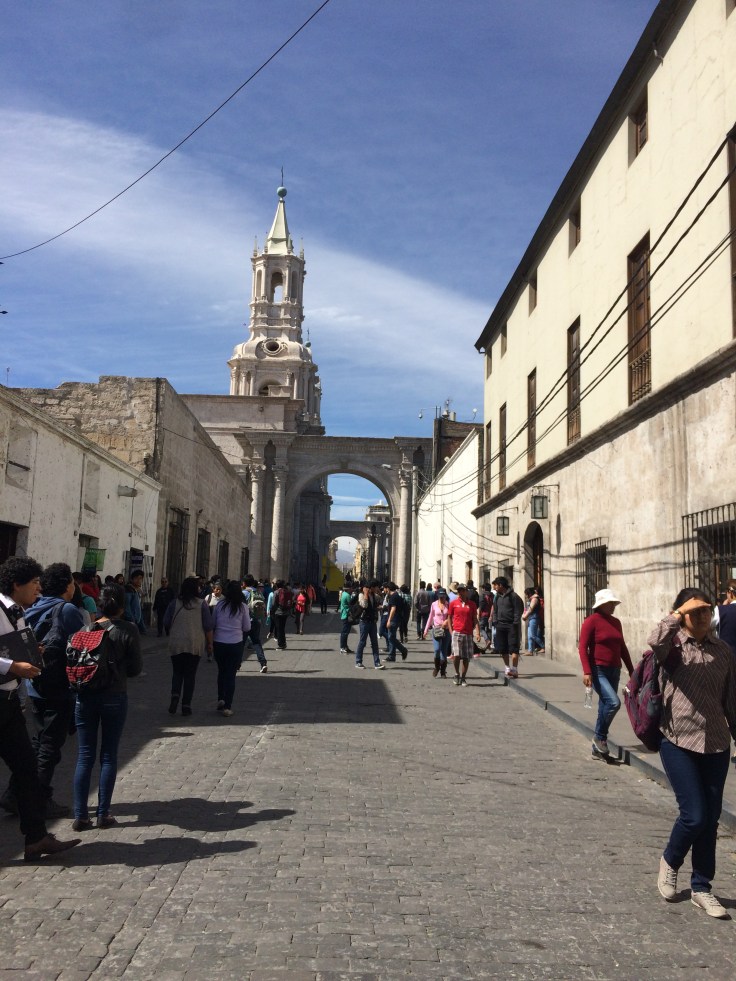 We arrived in Arequipa Thursday morning via overnight bus, and made 3 friends at the bus station to share a taxi with into the city center. One of these friends (a guy from Holland) told us about a fabulous local beer and chocolate shop, so we made plans to go here at noon together. After settling into the hostel, we met 2 girls from Germany for the second time (we had first met them back in Paracas!). They also knew our Dutch friend from a prior encounter (it’s so funny how small the world of Peru travelling is…you meet the same people over and over along the path!), so the 5 of us left for beer and chocolate at noon. The spot is called ChaqChao, and reminds me of a place I’d find in Brooklyn back home! It was just as good as its reputation. After enjoying some local brews and chocolates on the rooftop, we left to join a free walking tour of the city after grabbing a quick lunch. We soon decided to forego the walking tour and just relax and wander around the city together. It was nice to have such a laid back, unstructured day to soak in this new city with new friends. We also met the cutest baby alpacas ever!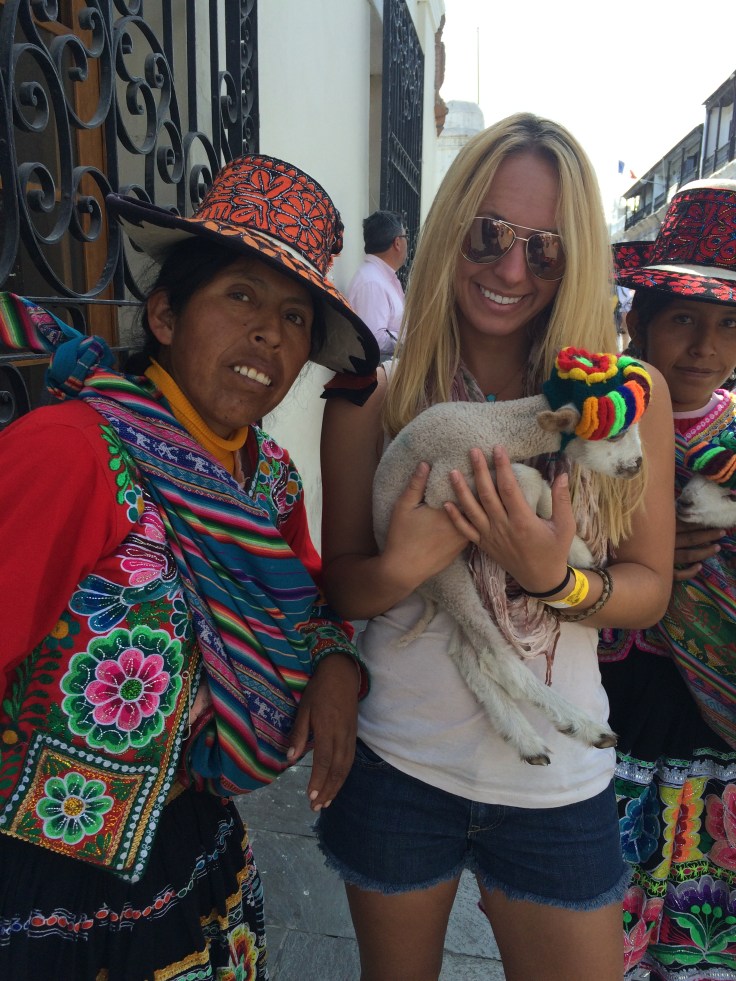
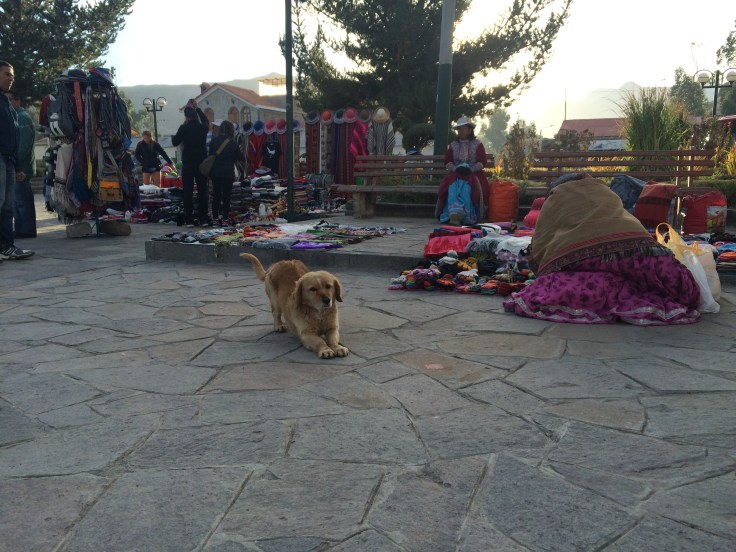
As Sarah and I had to wake up at 2:30am to leave for Colca Canyon the next morning, we went to bed at 8pm! The next morning, our guide picked us up at 2:45am and we left for Colca Canyon. It is a 3 hour drive to the Colca valley, and we stopped for a traditional breakfast in a village called Chivay (I tried quinoa juice and it wasn’t bad!). I was getting very cold with the few warm items of clothing I had brought, so I bought alpaca gloves and a beanie from a lady in the marketplace here for only 15 soles (about 5 USD).

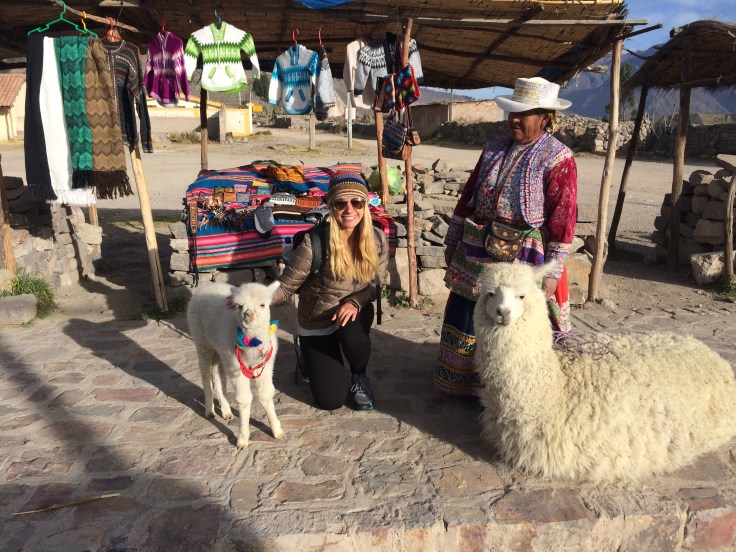
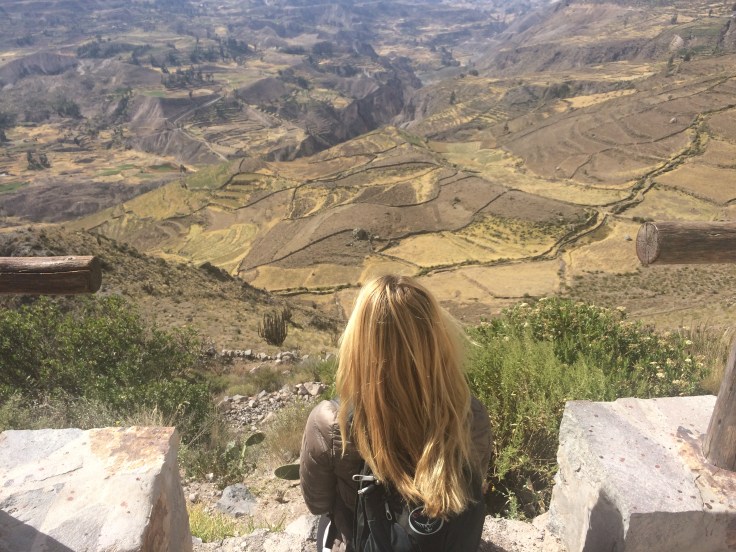
We then continued up the mountain, where we stopped to do some trekking and soak in the views. I found the terraces in the valley to be captivating. Farmers built these terraces 1,000 years to cultivate the land to grow quinoa, corn, and potatoes. This means the terraces are older than Incan civilization!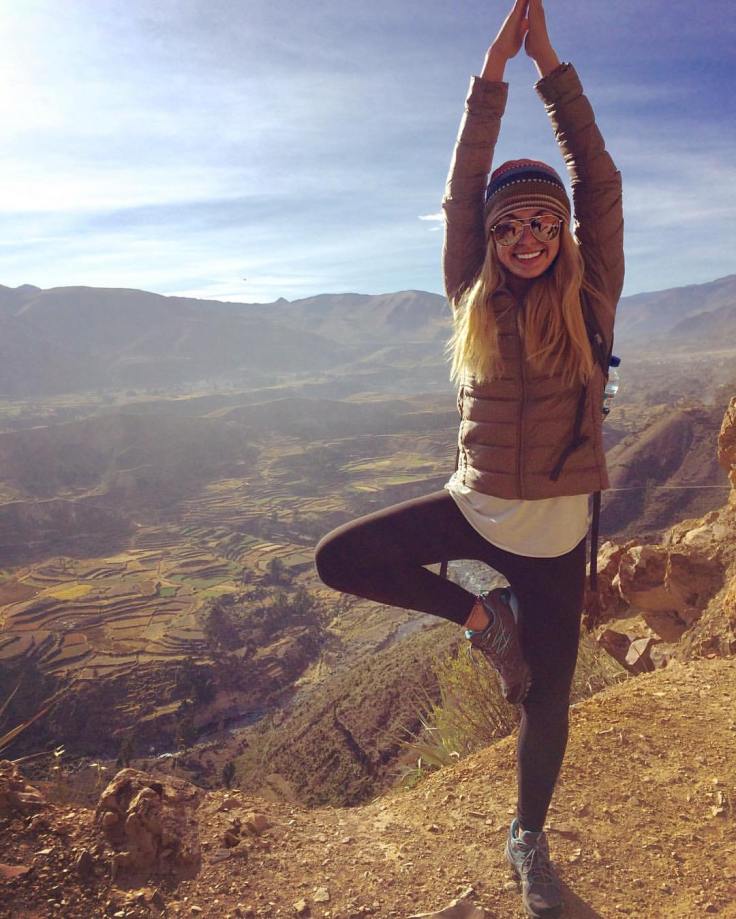
Also, we were fortunate to see several Andean condors cruise overhead and through the valley. This is the reason our tour started so early–condors are most active around 8am as the heat rises, thus allowing them to glide and use less energy. Our guide told us that condors are a monogamous creature, and 2 condors in love always glide together. So, it was fun to watch these 2 literal lovebirds cruise overhead for several minutes! So adorable! Interestingly, if the female dies first, the male will not seek another partner. But if the male dies first, the female will find another partner. Fascinating!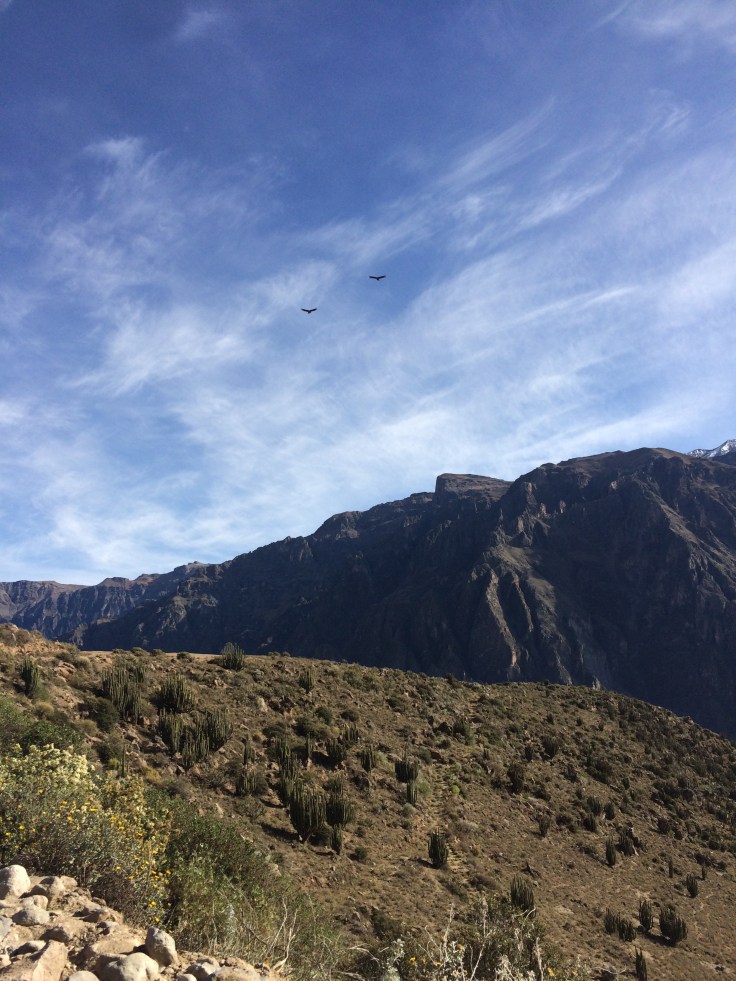
We then continued on to a natural hot spring, where I soaked for a bit (it was freezing to get out though!) After a traditional lunch in Chivay (more ceviche, yum!), we continued on to the highest accessible point in Colca Canyon–an inactive volcano at 4,910 meters high (or 16,000 feet!). Sarah and I were both feeling woozy from the altitude, which made us worried about the huge 10 hour trek we have coming in a few days (hopefully we are acclimated by then!) Afterward, we continued back to Arequipa, where we decompressed for a bit then went to dinner at a cute sidewalk restaurant, where we enjoyed some vino and a Peruvian version of Italian food!
This morning, we woke up and had breakfast at the hostel, where we befriended a U.S. Marine also traveling through South America for a few months. Interestingly enough, he is also starting law school this fall, so we had a lot to talk about! He joined us as we toured Arequipa’s famous Santa Catalina monastery later in the morning. The monastery is laid out as a mini version of the city of Arequipa, and it is quite easy to get lost in the “streets” of the monastery. There were several beautiful courtyards and a modern art gallery, and it was interesting to also see how the nuns lived in centuries past.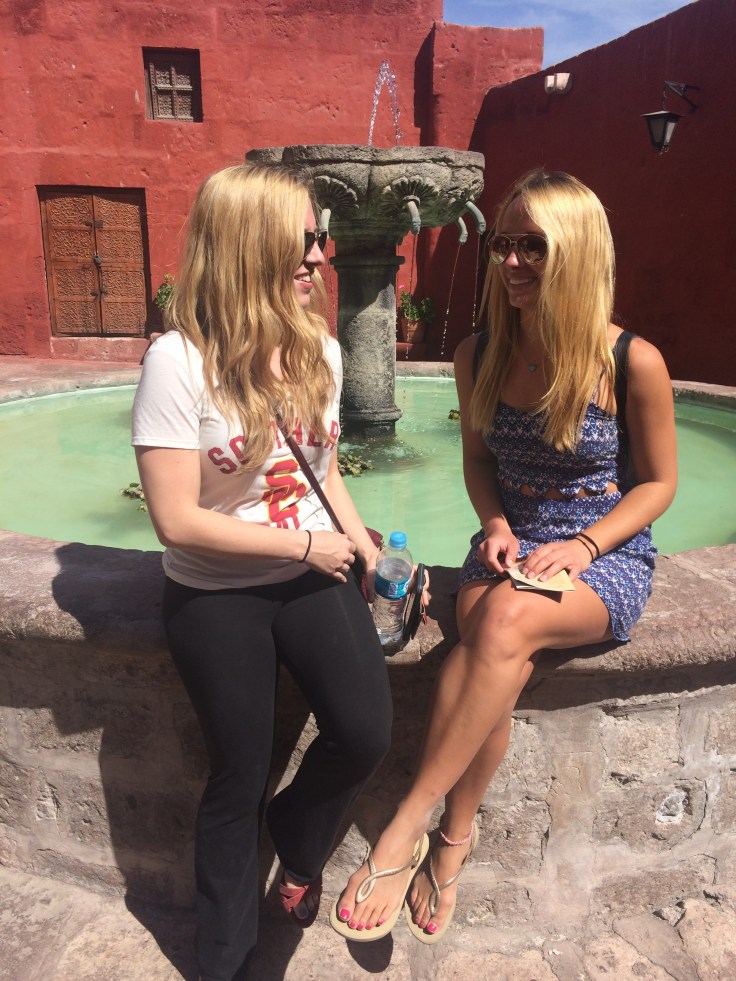
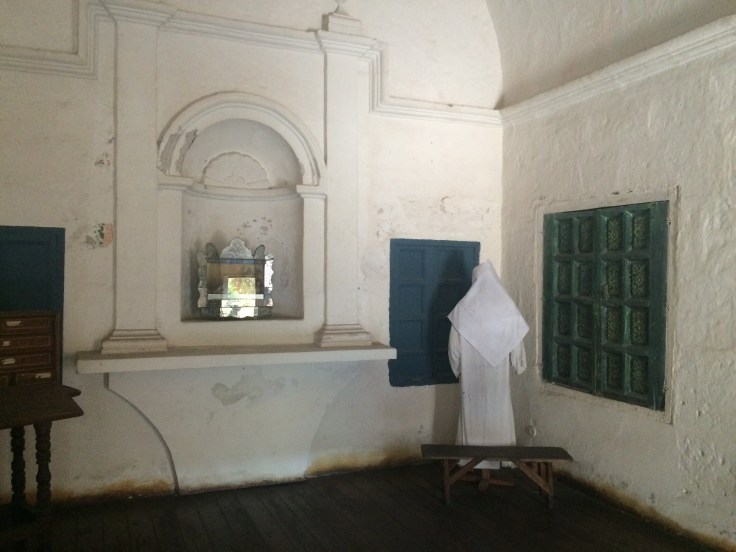
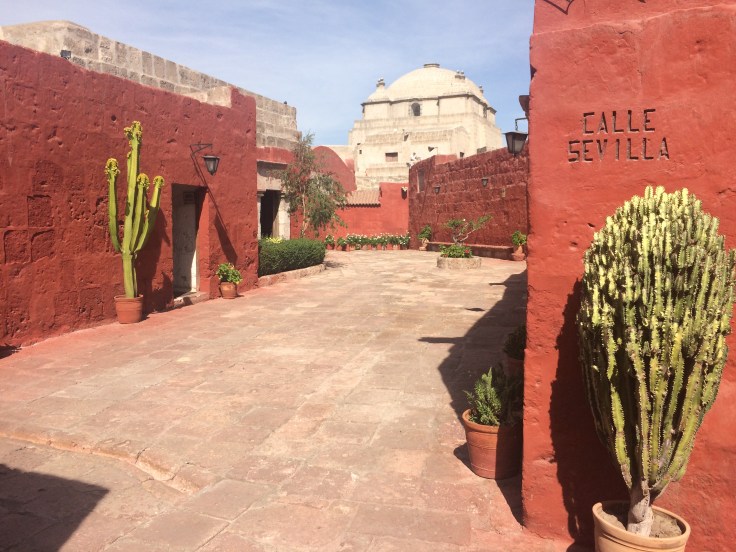
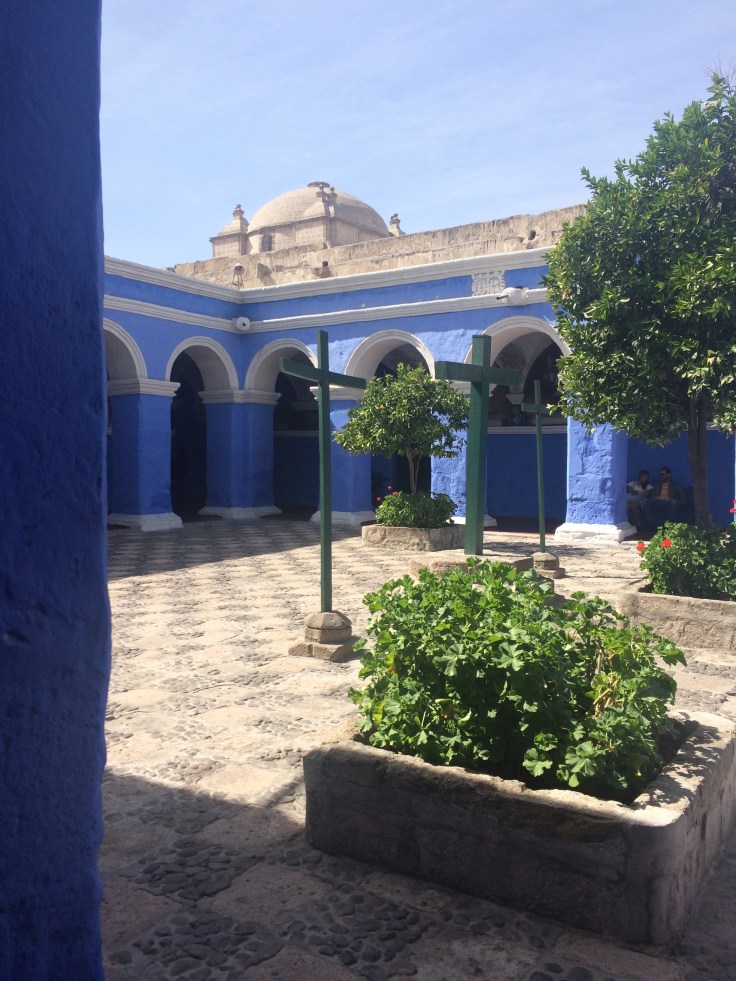 After getting lost in the maze of the monastery, Sarah and I went on to do some shopping for some authentic baby alpaca goods. Baby alpaca fabric is the softest version of alpaca wool and is always from an alpaca’s first shave, meaning it is pricier and more rare but a higher quality than regular alpaca. Arequipa is known for its alpaca goods. I was excited to find a baby alpaca scarf/poncho that I can wear 8 different ways for only 120 soles! 🙂
On our last night in Arequipa, Sarah and I attended a Peruvian cooking class, where we learned how to make stuffed rocoto, pastel de papa, and soltero de queso (my favorite!). We really enjoyed getting to know the other students in the class from Germany and Brazil!
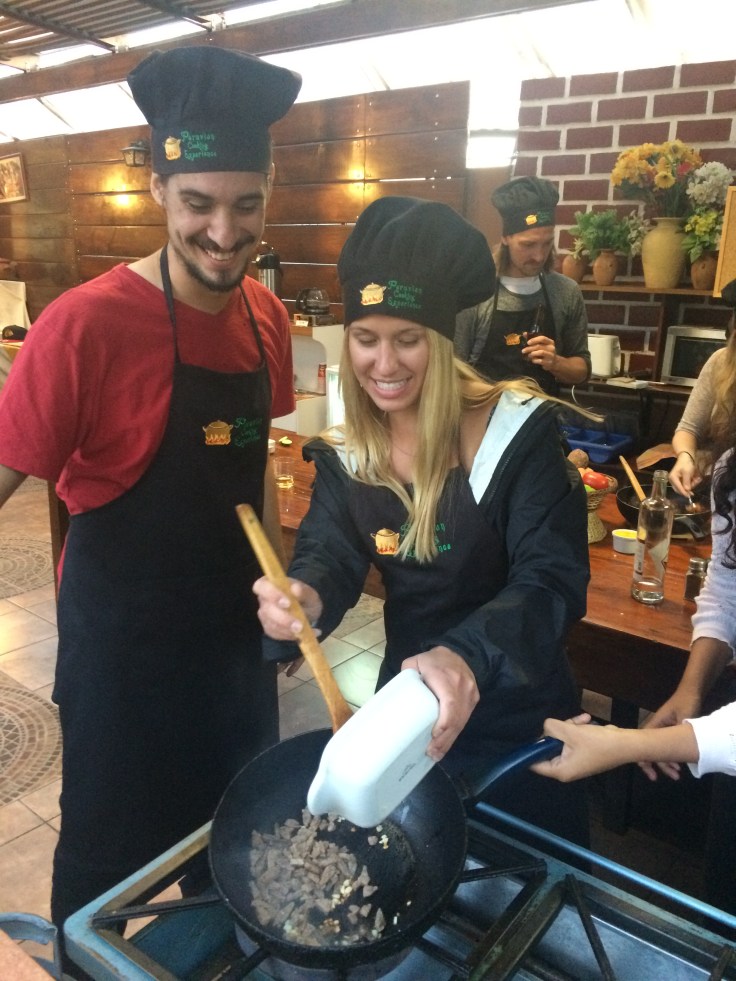
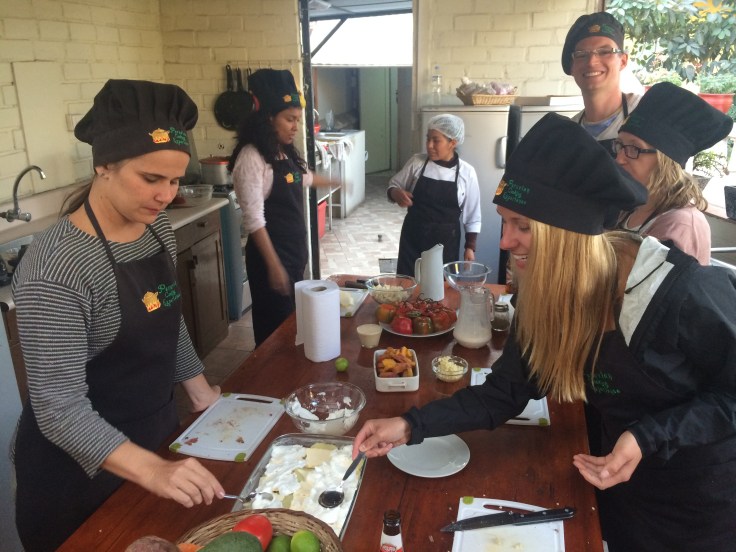 This morning, we flew to Cusco and met our friend Rachele. Now, it’s time to prepare for some of the literal high points of our trip–Rainbow Mountain and Machu Picchu!
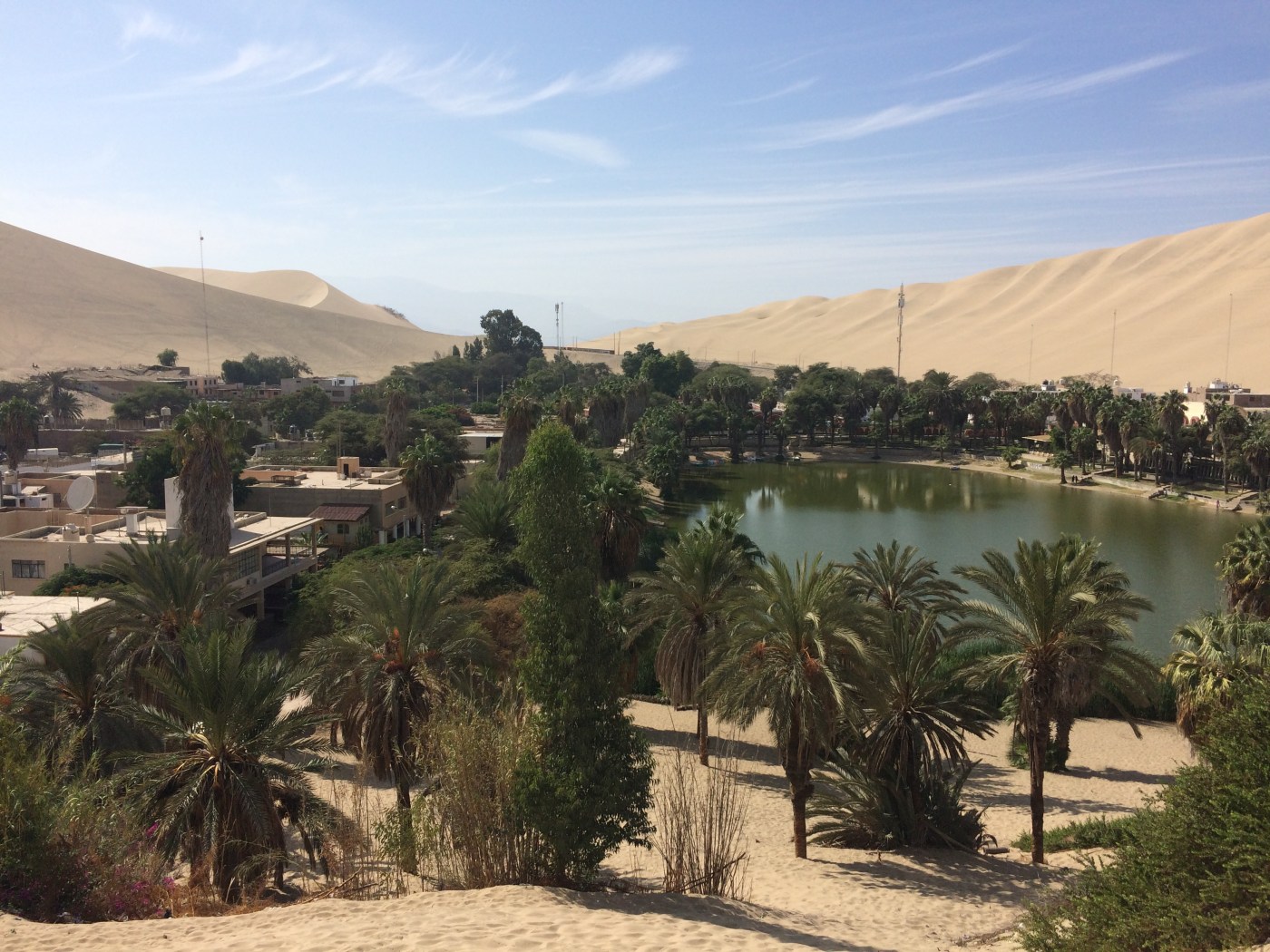
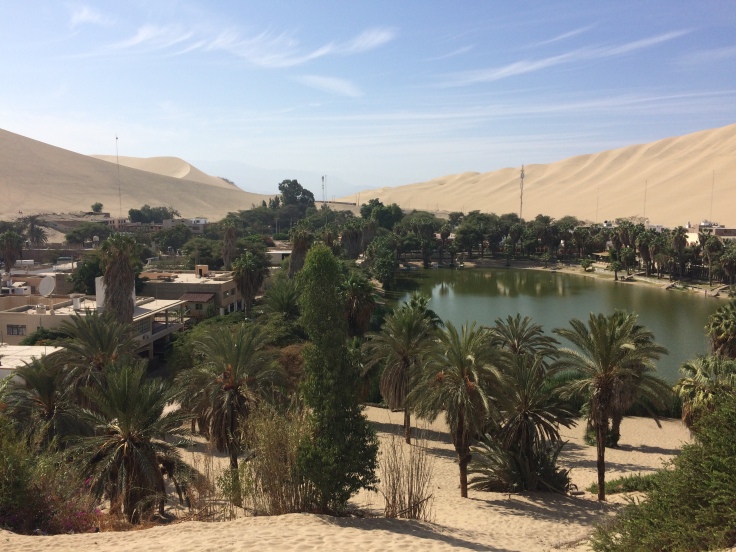
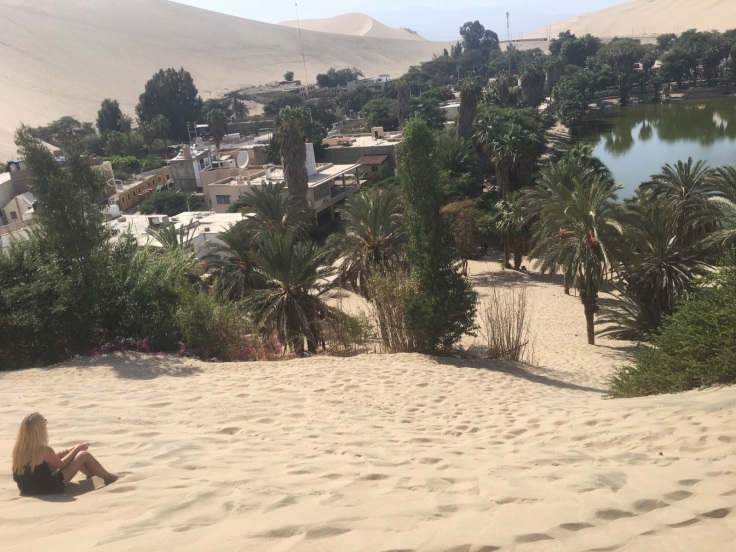


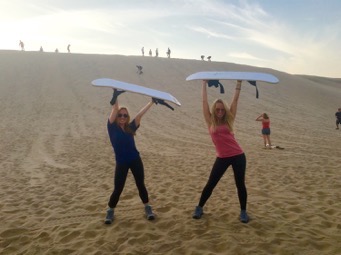
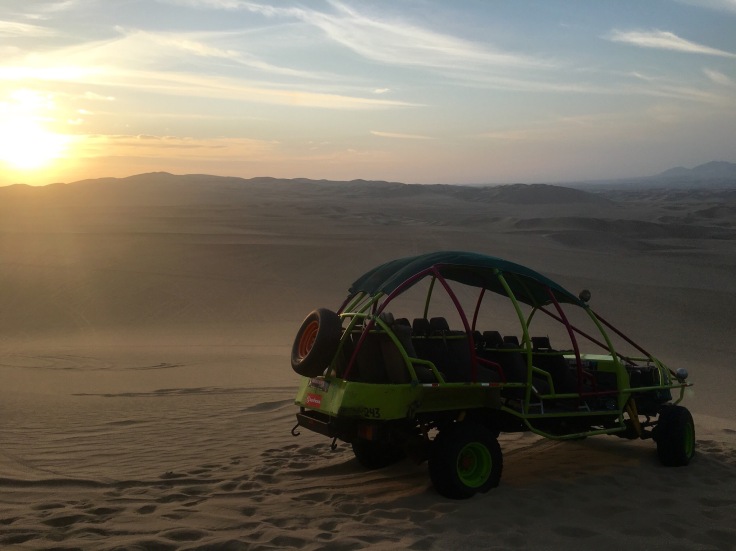
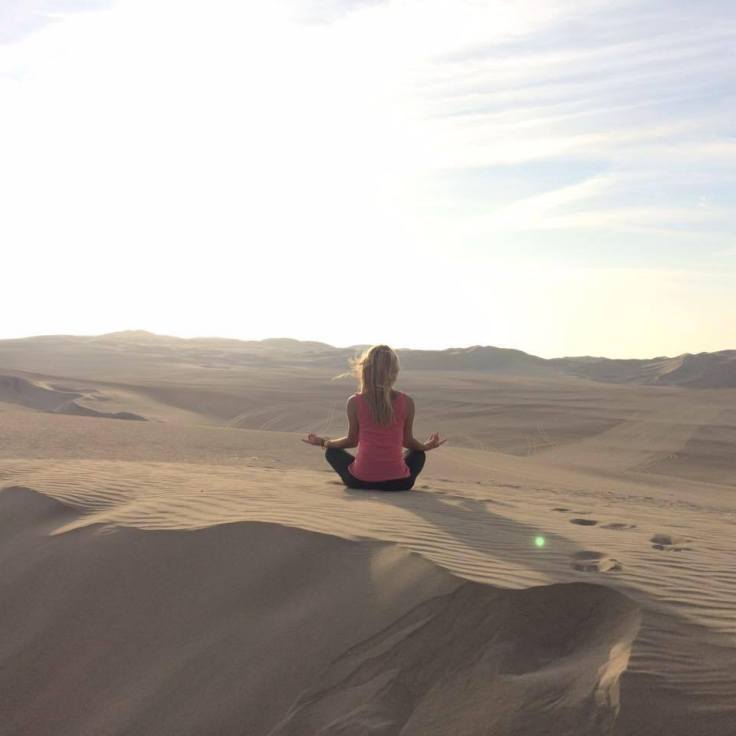


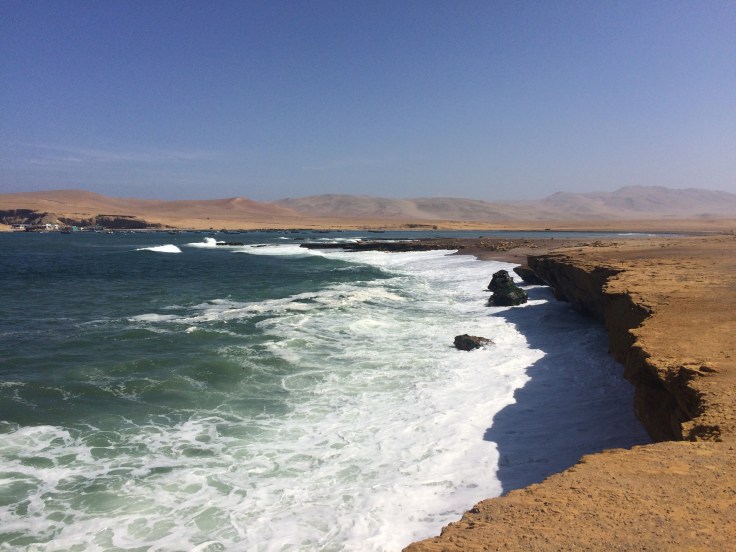
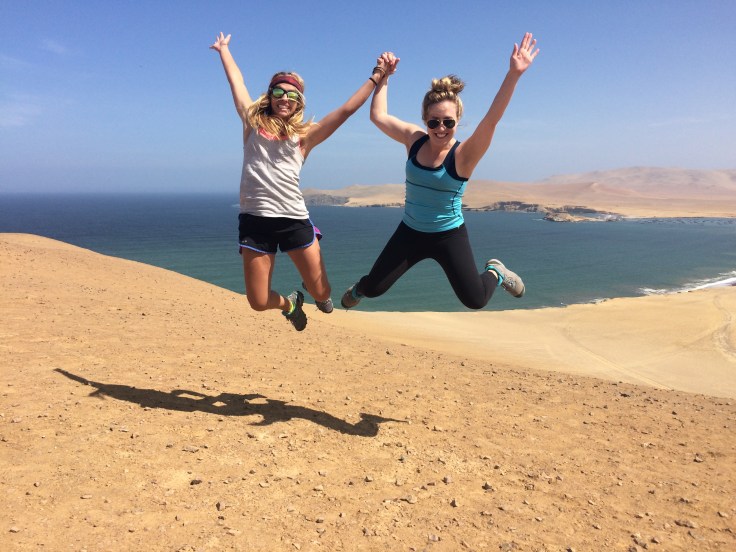
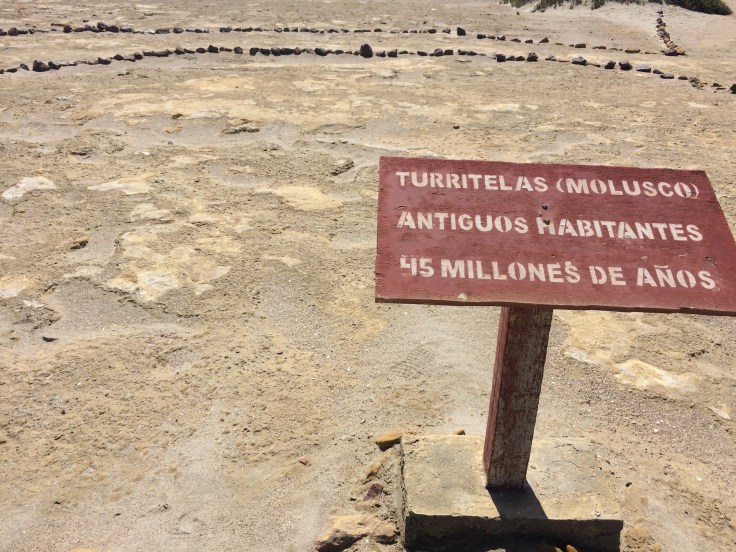
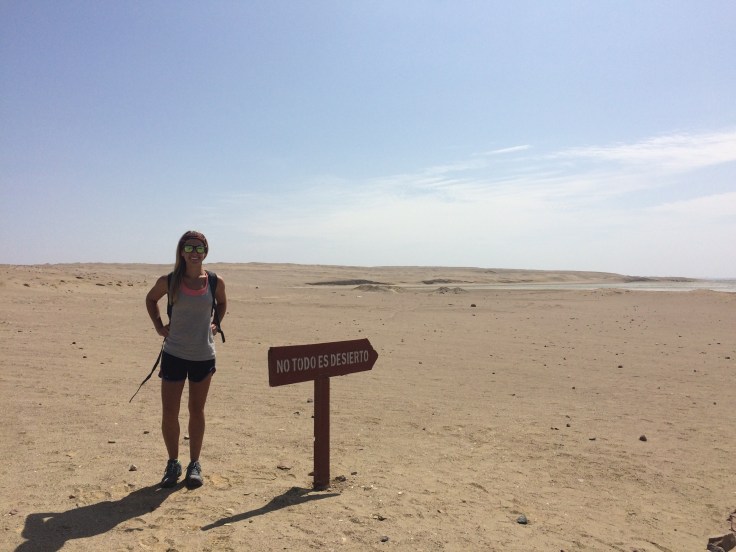
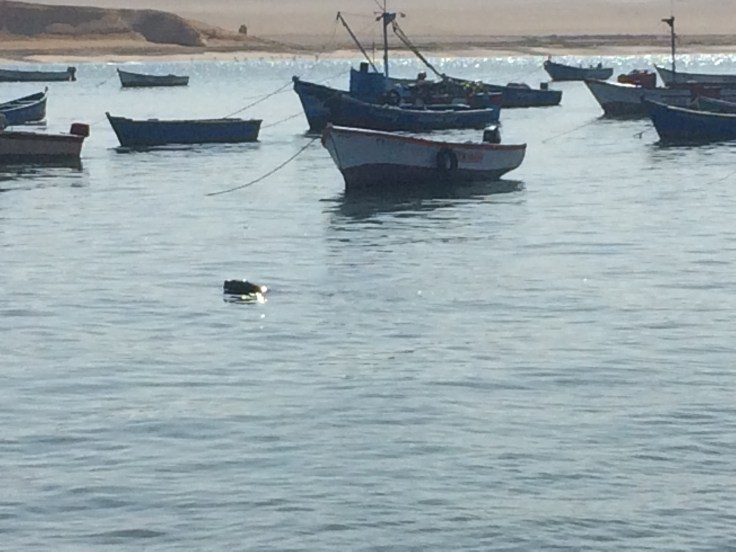
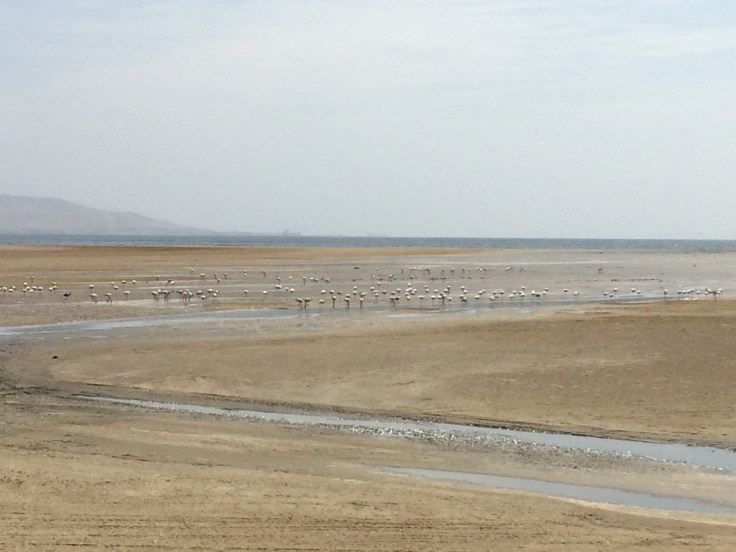 Paracas is a protected space along the coast of Peru, and only a small number of fisherman are permitted to fish along its coastline. For lunch, our guide took us to a restaurant on the reserve that serves fish caught in Paracas. Here, I had the best meal I have had since I left New York–fresh ceviche (raw fish, squid, and scallops marinated in lime) served with sweet potato chips and crisps (my favorite!). We enjoyed watching a sea lion play in the water right in front of our table during lunch.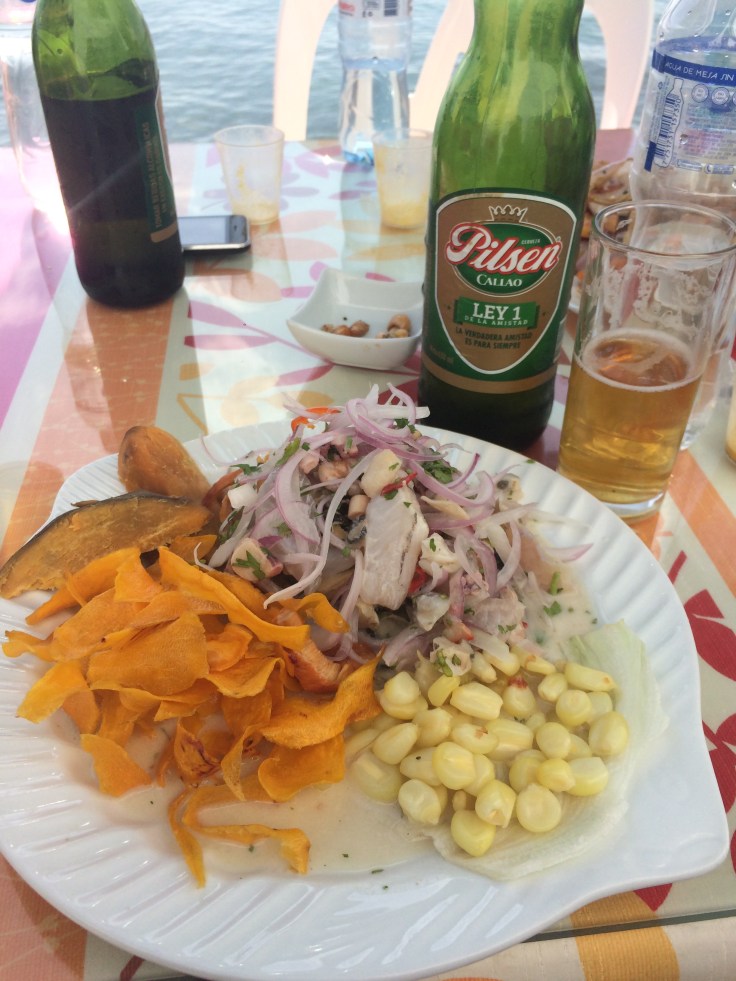


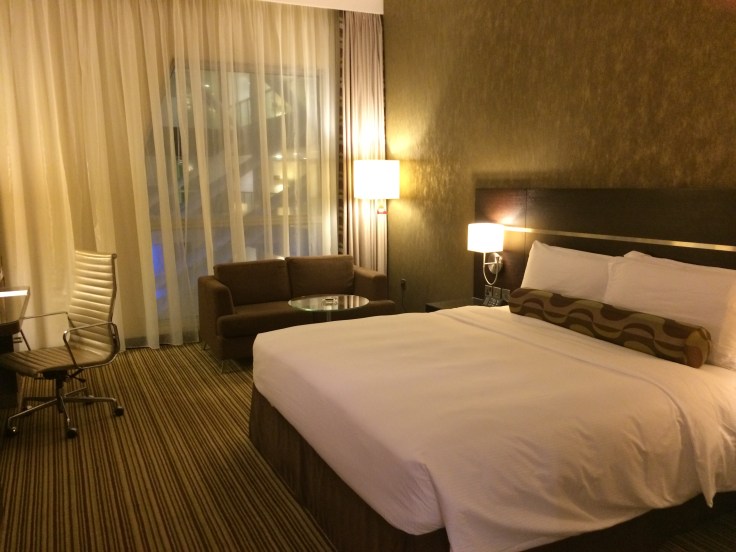
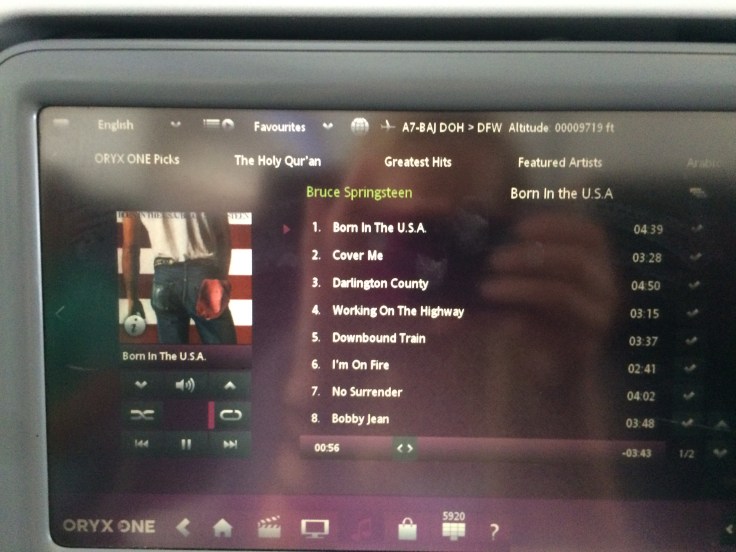
 We said our “see you laters” in Doha around 11pm, as he was continuing back to London that evening. I was so happy to learn that Qatar Airways would provide me with free 5 star accommodations for the night before my 8am connection to Dallas. This was by far the “poshest” accommodation I’ve had yet on the journey! Thank you Qatar Airways! While I had initially been nervous to spend the night alone here, everyone in Qatar was extremely hospitable, helpful, and nice. I highly recommend Qatar Airways! After showering and catching a few hours of sleep in a big, fluffy, clean bed, I returned to the airport for my 16 hour flight to Dallas.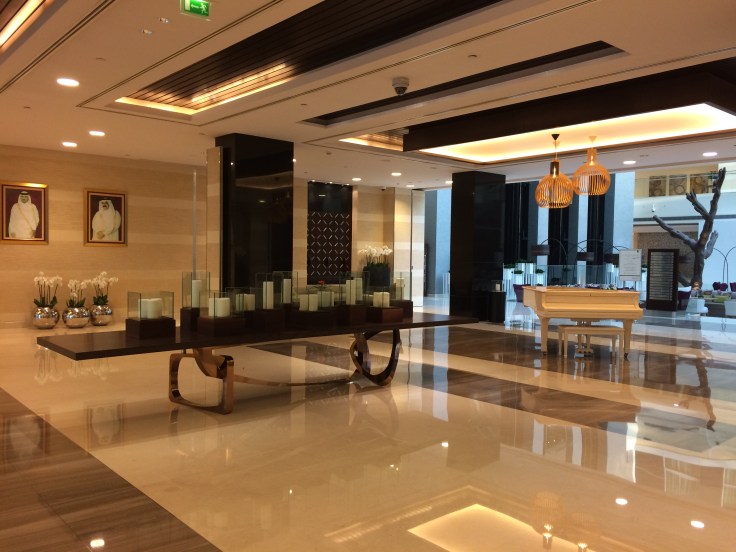




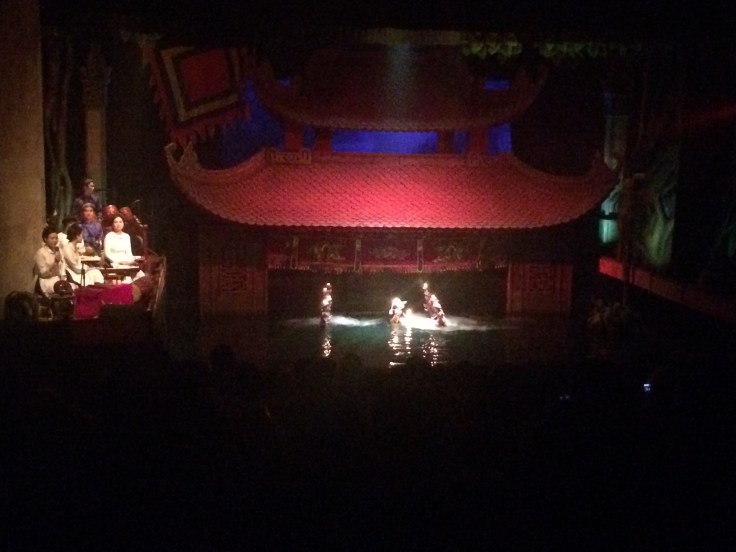


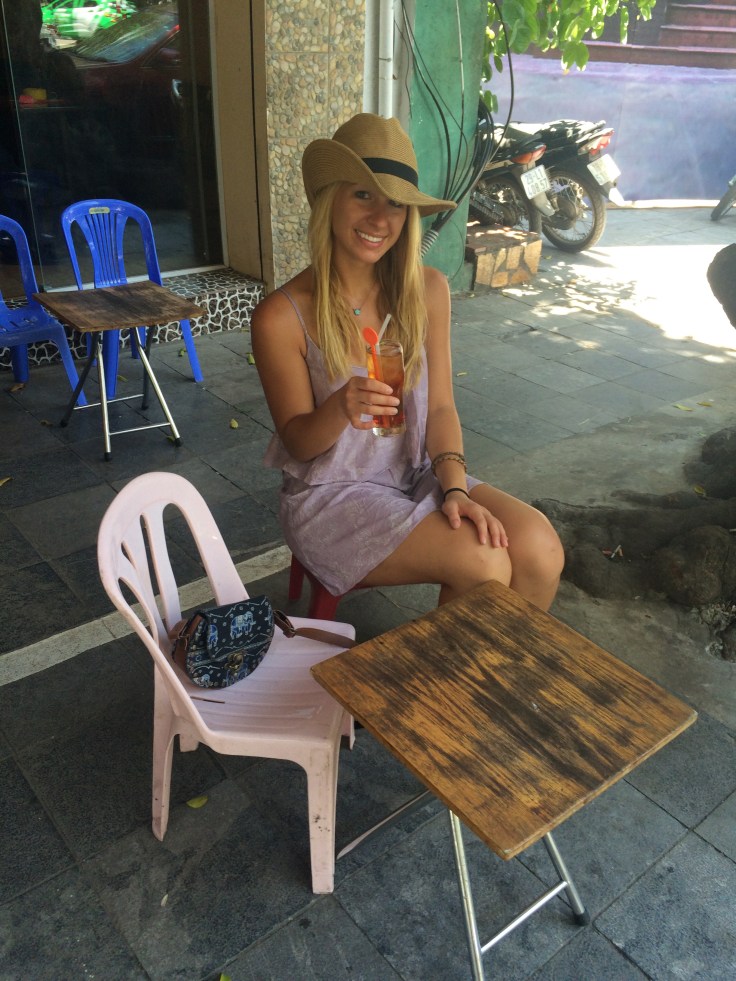


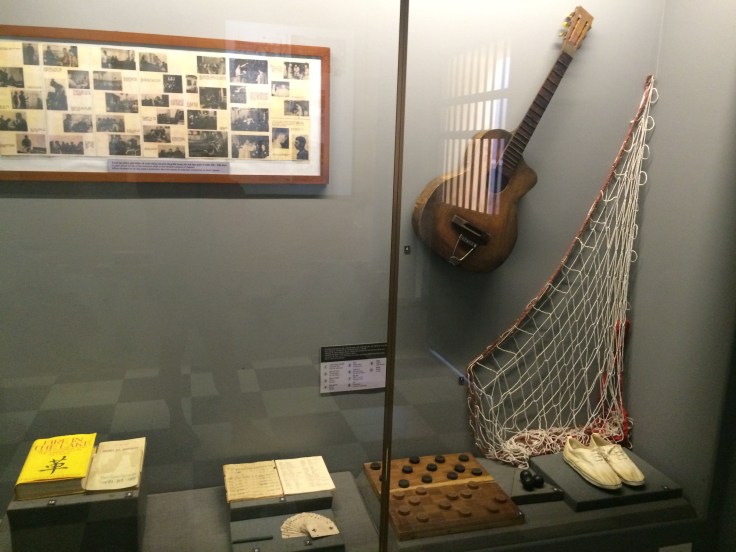

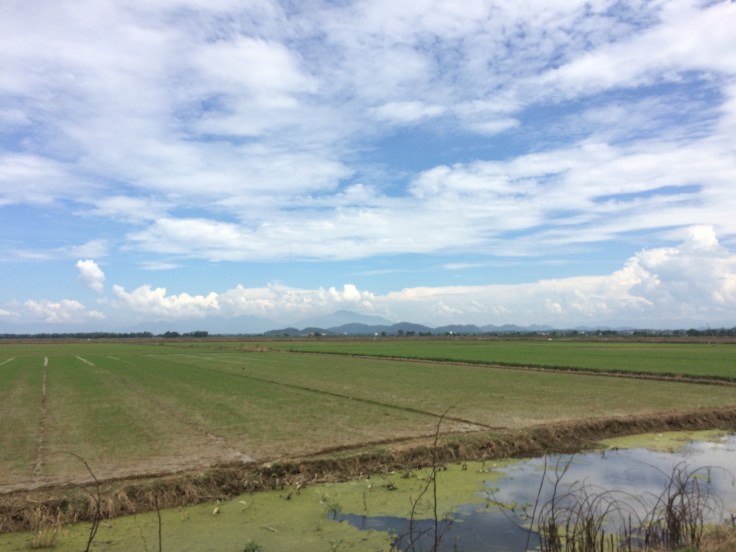 We stopped at several interesting places along the way, including a Japanese bridge, the Tu Doc tomb, Bunker Hill, an incense shop, a coliseum where elephants and tigers would fight in front of the king, and Thien Mu pagoda. We also stopped at the Citadel that surrounds the Imperial City on the way back.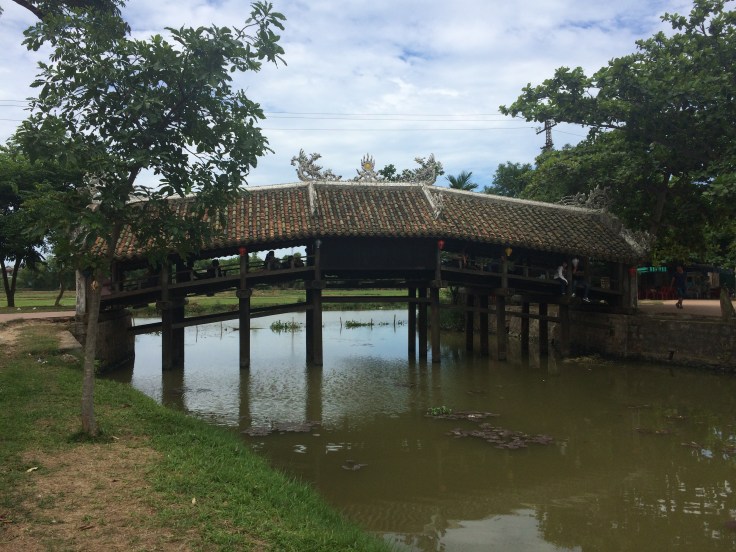


 The Tu Doc tomb was also interesting. The king who was buried here apparently had 104 wives but 0 children, and his exact location of burial on the grounds is unknown so as to thwart grave robbers. The Chinese symbol for longevity appears throughout the complex.


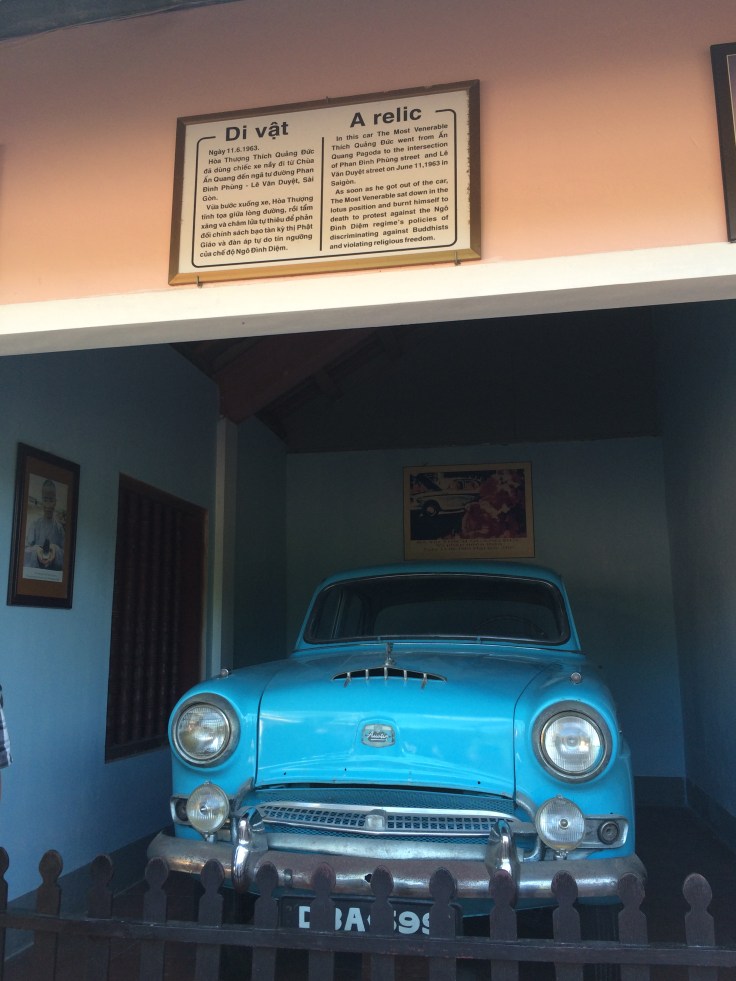 The next day, I chose to sleep in instead of visiting the Citadel (being a tourist can be exhausting and I need to pace myself!), and then our group set off for a 14 hour train ride from Hue to Hanoi. The stay in Hue was a little too brief for me, but I’ll hopefully visit again at some point!


 Then, we arrived at the Ba Hang lagoons and went kayaking. You can only reach the lagoons by kayak and it was really peaceful! Then, we hopped back on the junkboat and went to the Thien Cung cave. Our guide explained all the legends around the rock formations and the shadows. Apparently, the legend is that a dragon prince married his bride in the cave and all the animals in the jungle attended the wedding (you can see them in the rock formations…really cute!)


 a southern yankee abroad
Recent Comments