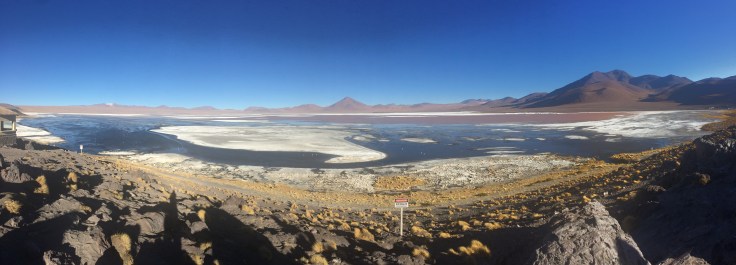
 Three simple words describe the last three days–cold, dirty, and fun. Sarah, Rachele, and I have been on a tour through southwest Bolivia, including the Salar de Uyuni and the Eduardo Avaroa Andean Fauna National Reserve. This is the first time on this trip where I have been completely disconnected from the outside world–I’ve had no cell service or internet access for the last three days! Most hostels, bars, and restaurants have wifi, no matter where you are in the world (yes, even in Zimbabwe back in December!). However, I’ve finally found a place in the world without wifi, and it’s Bolivia.
Being truly disconnected has been a wonderful experience. While I have missed being in touch with family and friends, I have appreciated how the lack of cell service and internet has forced me to focus solely on the people I am with and the places I am visiting. Ironically, the one connection to the outside world came on our first night, when Sarah caught a stray cell service signal and received a push notification on her phone from the WSJ notifying us that the Cleveland Cavaliers had won the NBA championship. This one tidbit of information has been our one connection to the rest of the world while traveling here!
Here’s a breakdown of our last three days in the wild.
Day 1: We woke up bright and early in La Paz to catch a 7am flight to Uyuni. After an hour in the air, we arrived and instantly realized how much colder Uyuni is than La Paz! After putting on an extra pair of pants and another top, we headed to our tour company’s office to check in and rent a sleeping bag. Here, we met the three other travelers we would be sharing our Land Cruiser with the next three days.They were all undergraduates at the University of Florida who had just finished a 6 week rotation working in medical clinics in Cusco as part of their pre-med studies. We also met our guide, Diego, who immediately gave the impression of being a very tough, but nice, and in-control type of guy. Diego also doesn’t speak English, so we were all able to practice our Spanish a good bit. Our entire group meshed really well, and we decided we were una familia de sal, or a salt family! At 10am, we were off. Our first stop was an abandoned train graveyard.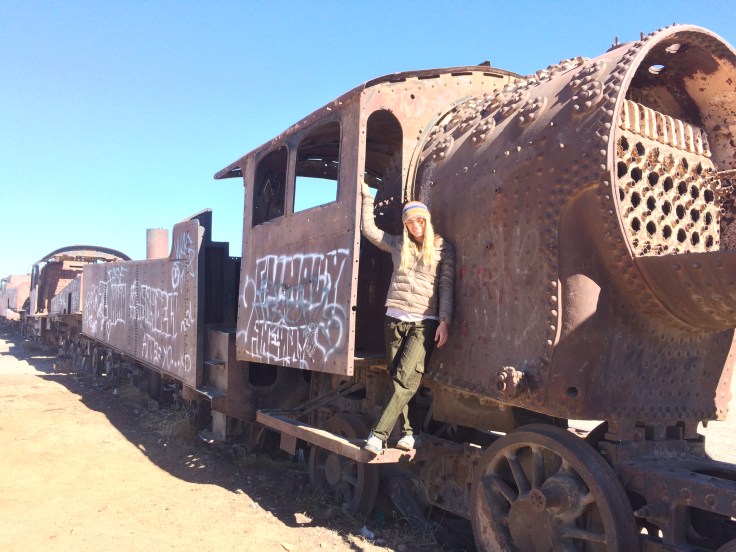
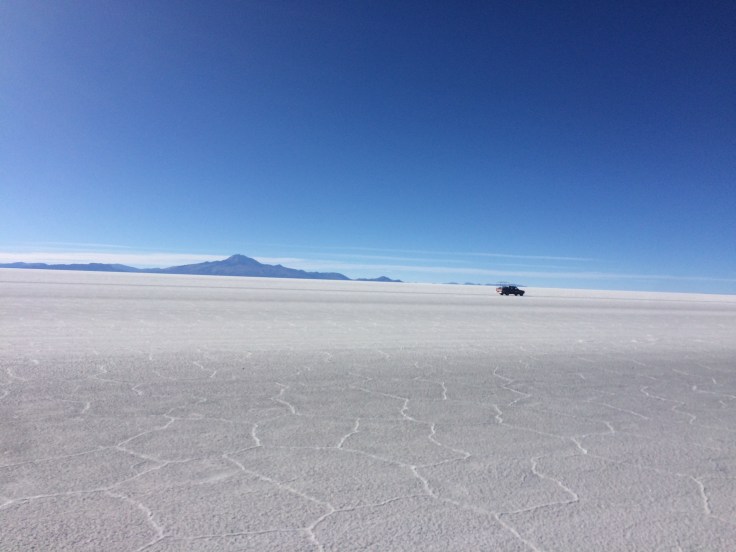
We then continued on to the salt flats! The salt flats are over 10,500 square kilometers of pure salt. The dryness of the ground forms a beautiful pattern in the salt. We spent the morning taking pictures and soaking it in.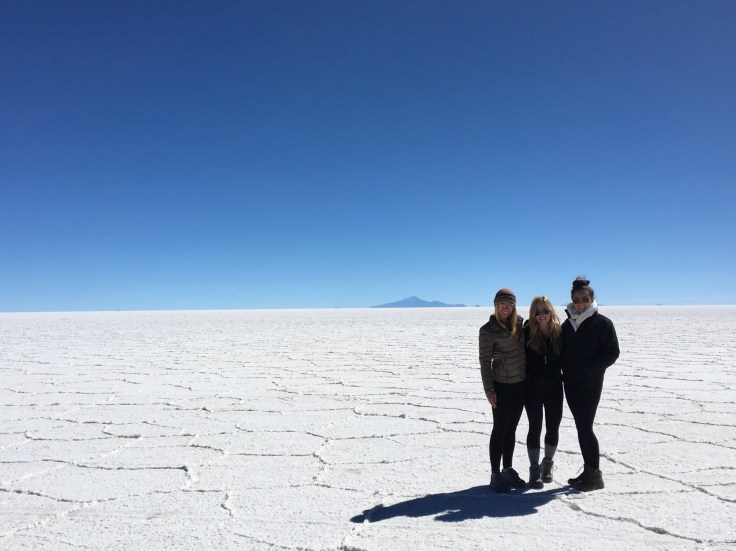
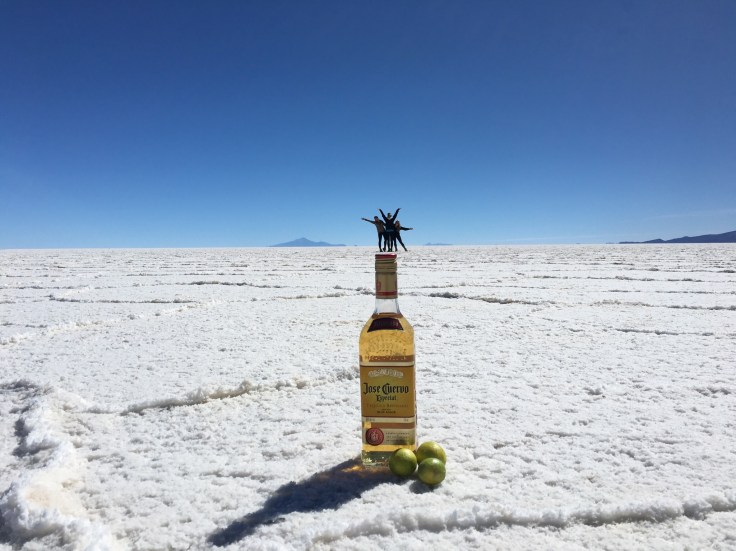
 We then traveled to Dakar, a small settlement on the flats, where we had lunch and visited the flags outpost.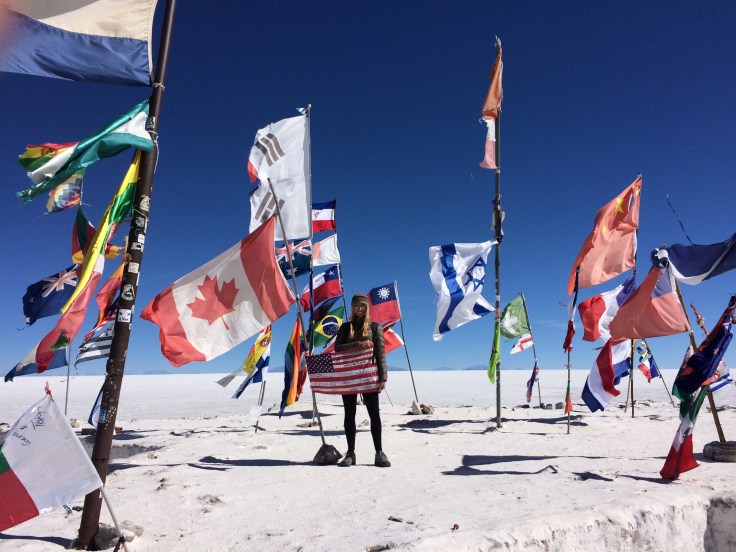
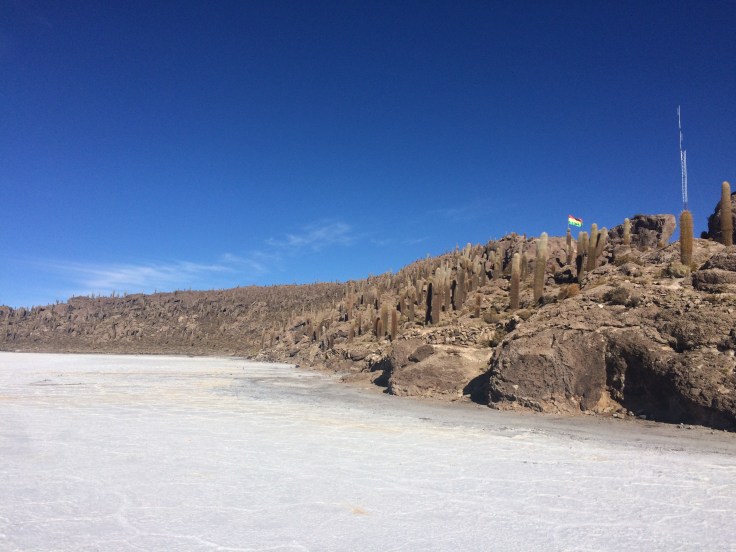
From Dakar, we continued to drive across the flats, stopping occassionally to take pictures and take in the views. We stopped once at an island in the middle of the flats called Isla Incahuasi. Sarah and I walked two laps around the island to get a workout in!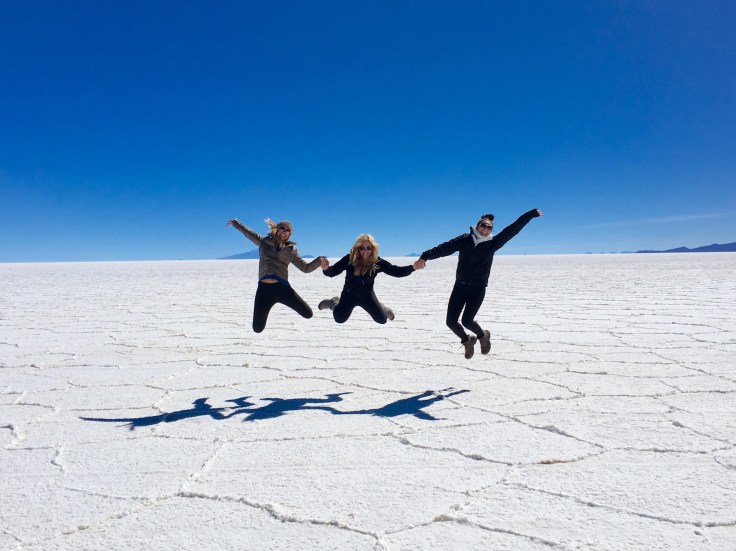
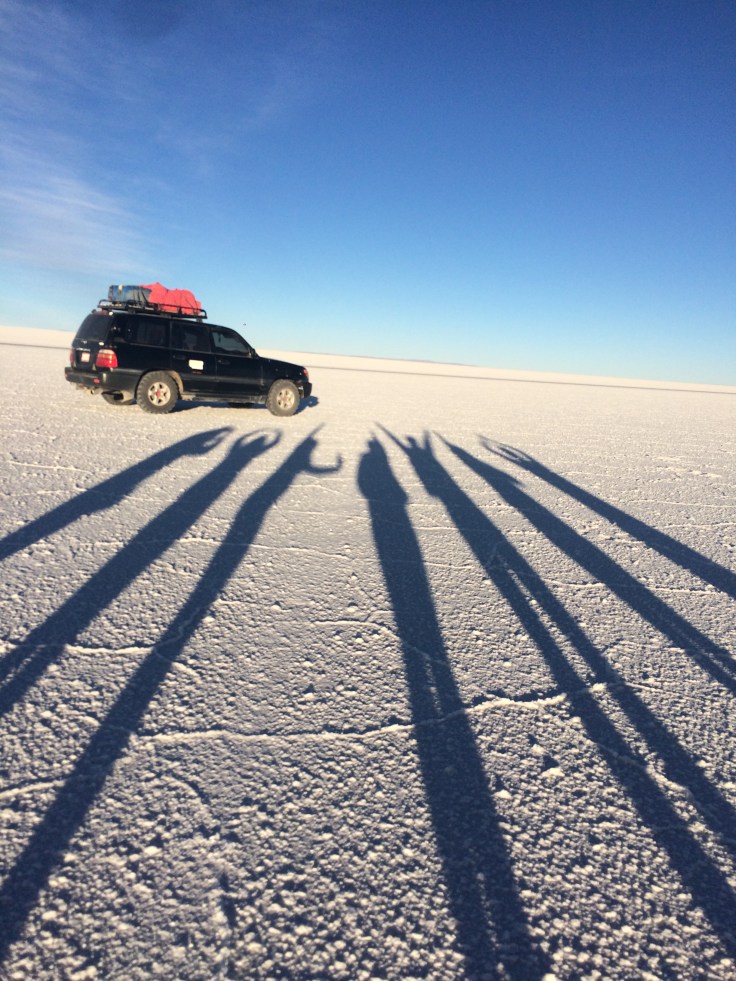
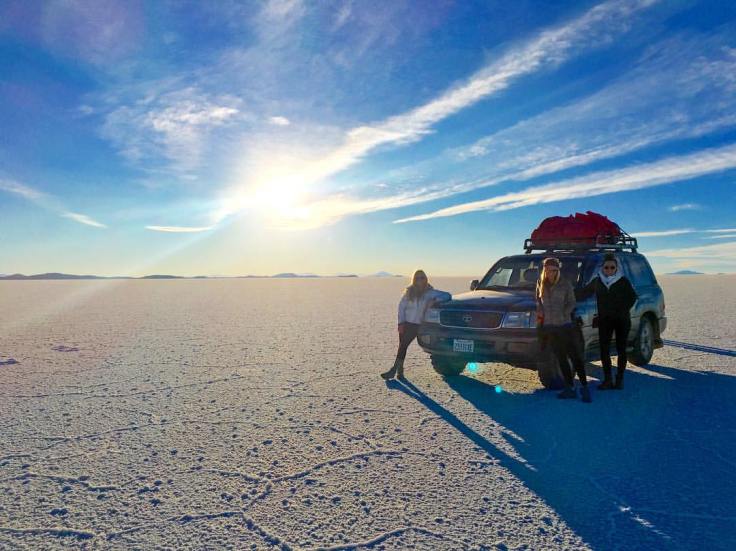 By the time the sun was setting, we were just leaving the salt flats. After about 2 hours, we reached our accomodation for the night–a “salt hotel!” The salt hotel was basically a structure constructed out of blocks of salt, with the bed frame and dining tables and chairs also made out of salt. The floors were simply covered in loose grains of salt, like sand. There was no heat, but it did have electricity and running water. As the temperature had dropped below freezing, we all bundled up then enjoyed our salt family dinner together, along with some wine we had picked up in a small store along the way.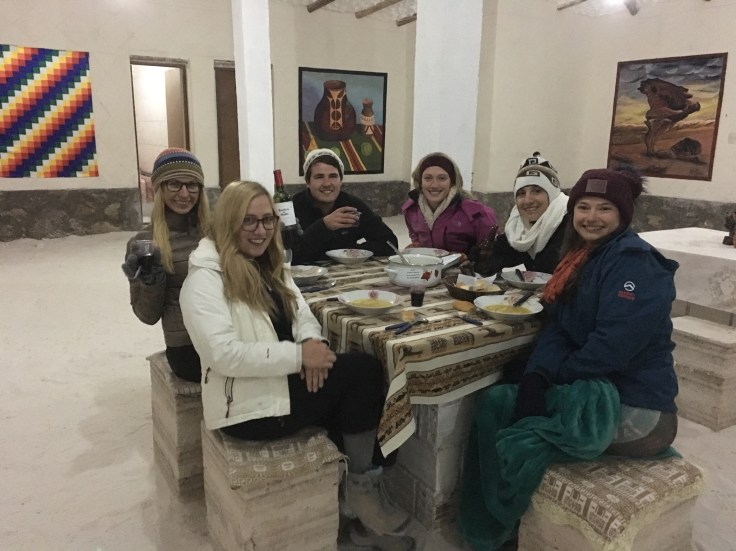
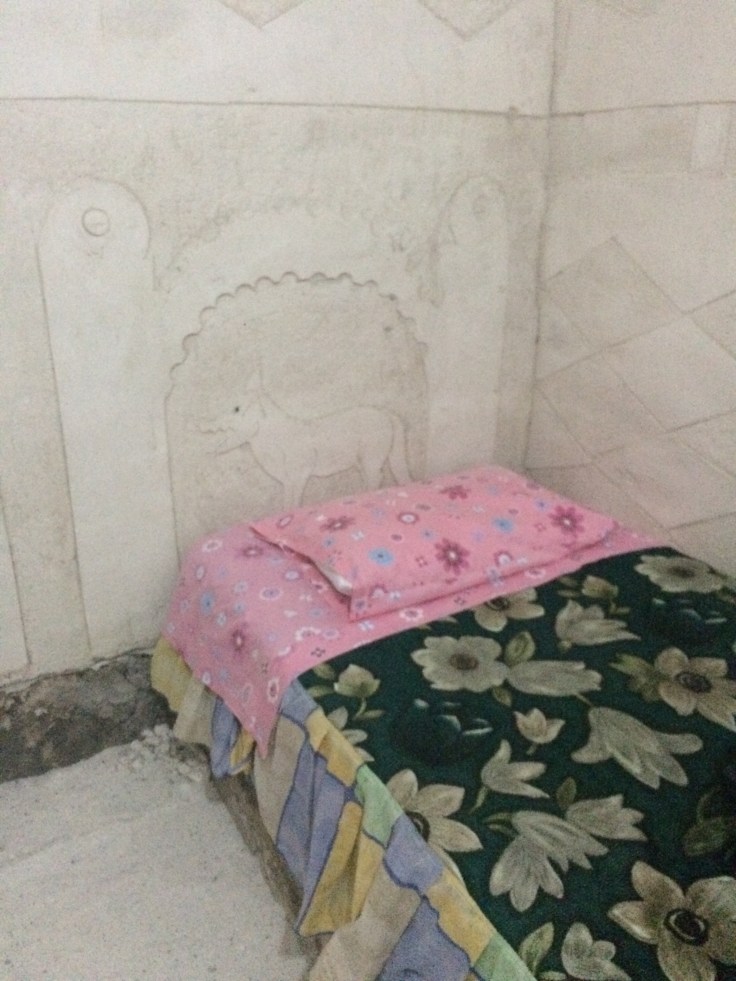 We all voted unanimously we’d rather be dirty than cold, so we skipped the showers and just enjoyed the unique environment! Also, the view of the stars and the nearly full moon from our outpost was brilliant.The last time I saw “estrellas” (stars) this bright was in Africa, and I felt very happy to be in the wild with them again!
Day 2: We woke up at 7am (so late for us these days!), had a small breakfast, and left our salt hotel for a day of travel. Instead of salt, on our second day we drove through a tremendous amount of dust. It felt like we were in the movie Mad Max! Our first stop of the day was at the Volcano Tunupa, which is still active. 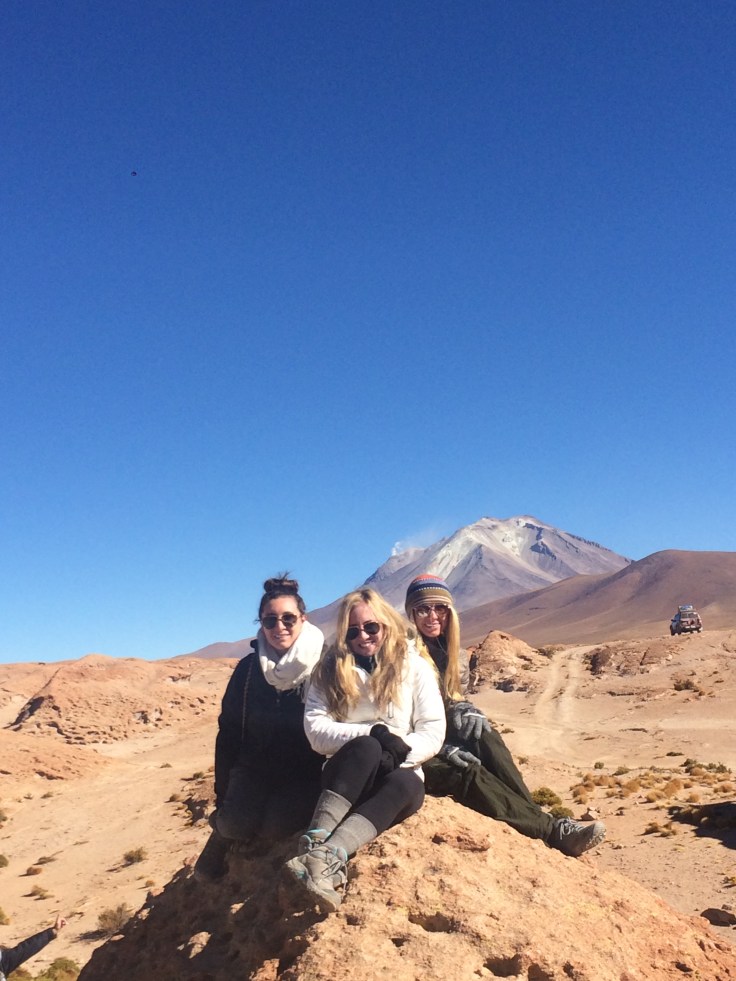 We also stopped at several lagunas, where I was shocked to see a large number of flamingos. I always assumed flamingos lived only in tropical and warm environments, but here these were, wading through the icy water just hanging out!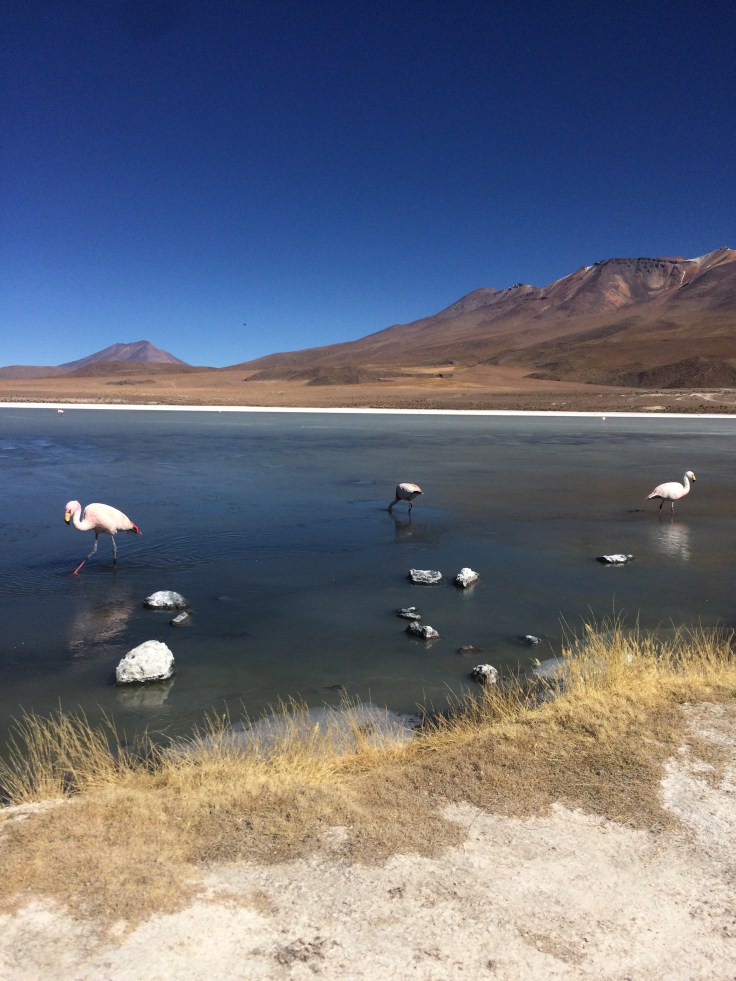
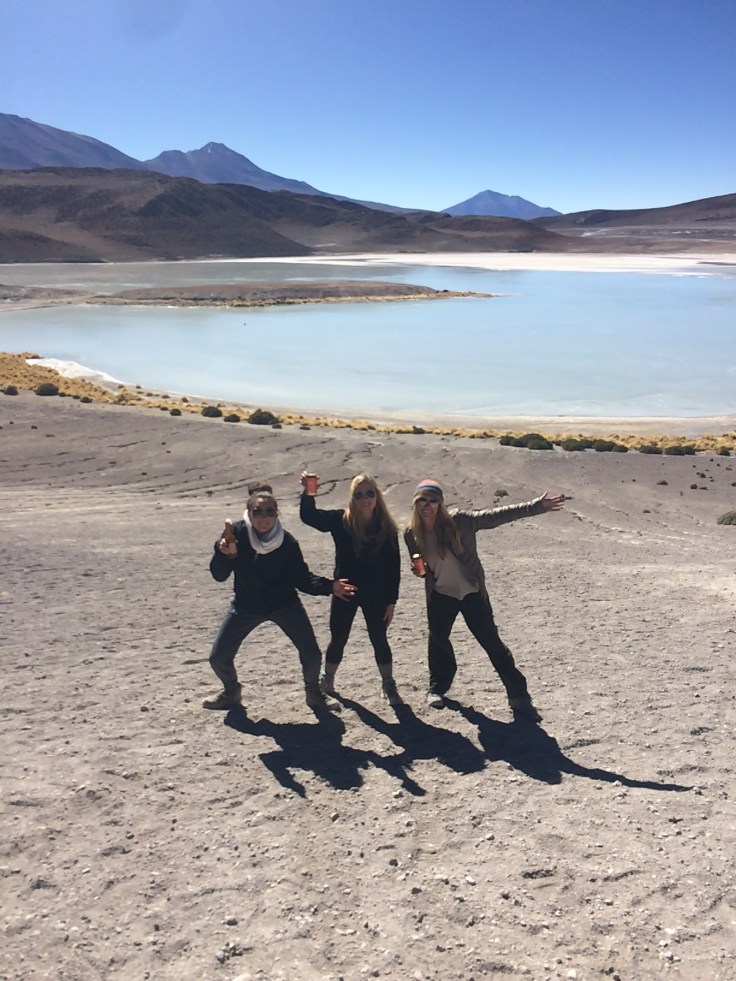
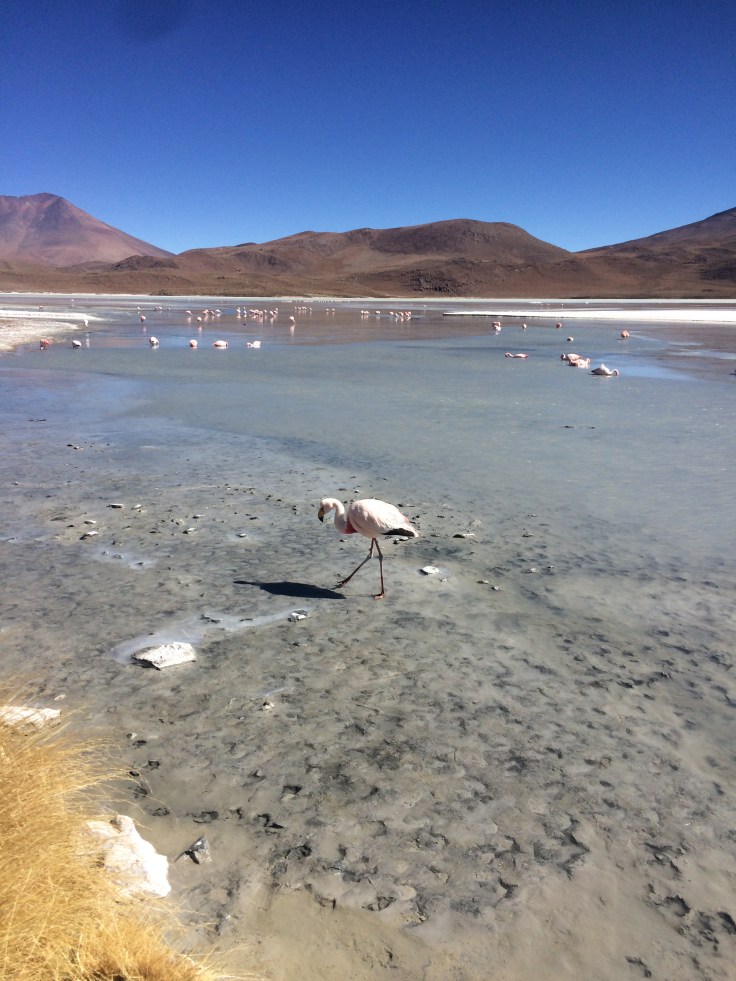 After a stop for lunch, we decided to have a dance party at the Laguna Honor.

As we traveled on throughout the afternoon, we stopped in the Atacama Desert and saw the Arbol de Piedra (or rock tree). We also saw the Laguna Colorada, which is known for its red color.
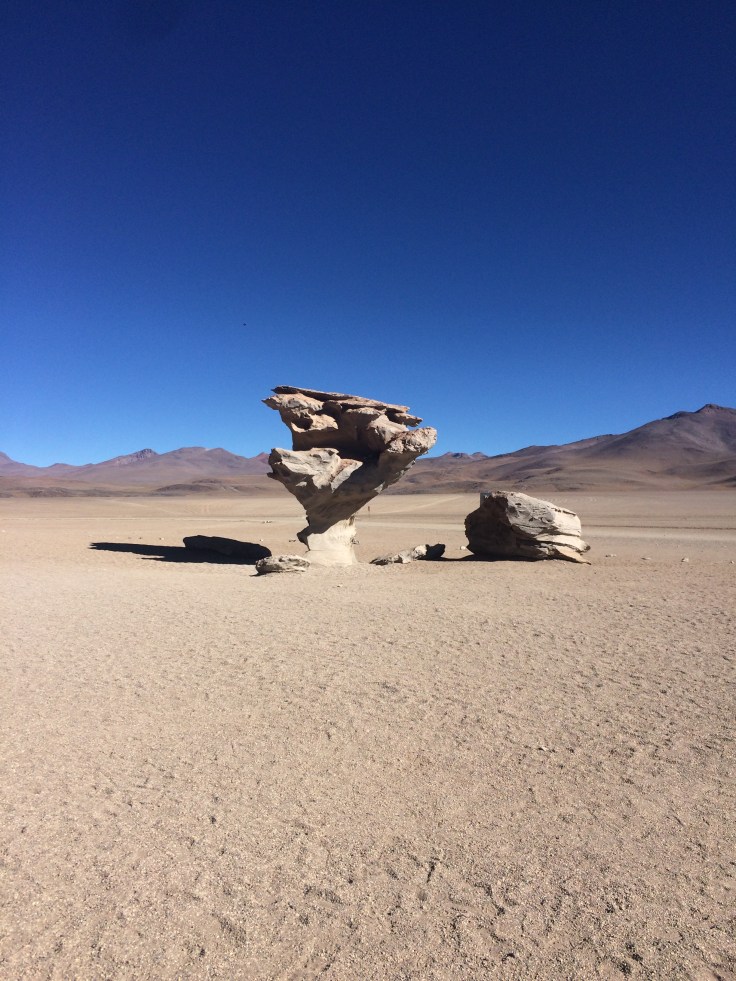
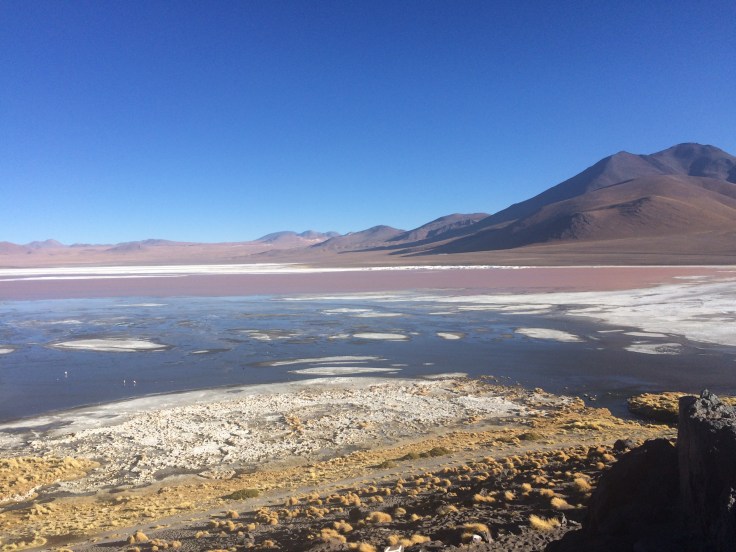
We then continued on to our accomodation for the night, a small shack with no heat and no showers. It made our salt hotel seem luxurious. While it did have electricity, the light in our dorm-style room did not work, so I was excited to be able to use my headlamp for the first time on this trip (I knew it would be handy at some point)! We once again layered on the clothing, brought out the vino, and enjoyed hanging out with each other and the other groups that were also staying the night here.

We decided to go to bed not because we were tired, but just to get warm! As we drifted off to sleep in multiple layers of clothing, hats and gloves, in a sleeping bag, all under a huge pile of blankets, Sarah and I decided (for some reason, I wonder why?!) that we really missed the USA! So, we sang every song about the USA we could think of as we fell asleep…it was hilarious.
Day 3: We woke up at 4:45am to find it was 16 degrees Fahrenheit (-9 degrees Celsius). We had a small breakfast as we struggled to keep warm, and headed out shortly thereafter. Our first stop of the day was shortly after sunrise at some natural geysers. 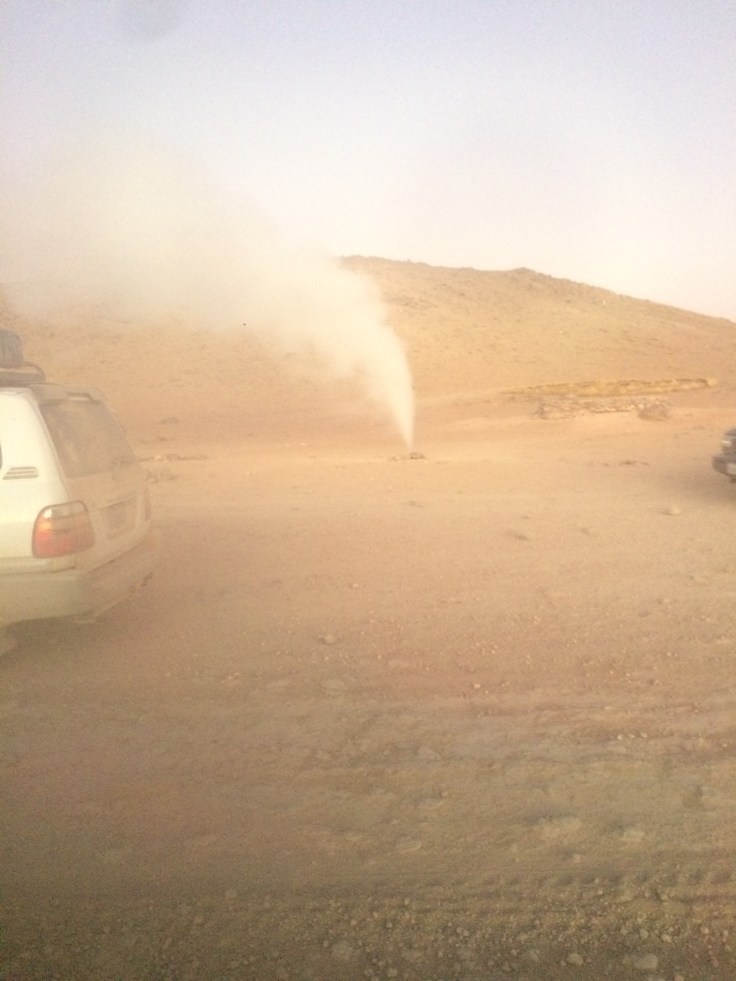 We then continued on to some natural hot springs and the Laguna Verde, near the Chilean border, before driving the 8 hours back to Uyuni, making some small stops all the way. We were all very exhausted from the cold and ready for a shower at this point!
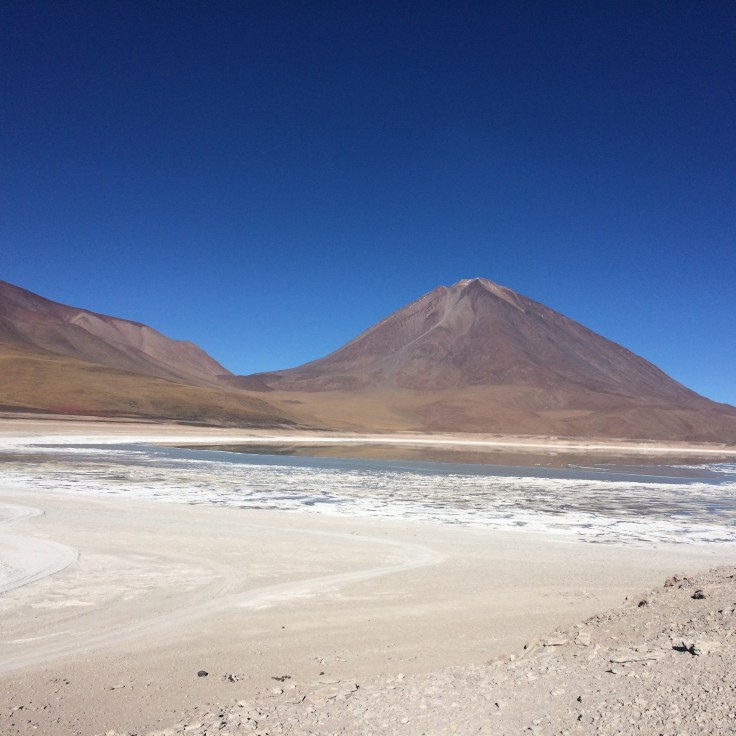
The last few days have not been easy or luxurious by any means, but it has been very rewarding to see so much natural and untouched beauty. Bolivia literally feels like another planet to me, as the landscapes have been bizarre and extreme and alien, yet beautiful all the same. I have really enjoyed taking time apart from the rest of the world to have the opportunity to appreciate what feels like a different one.
Next, we fly back to La Paz this evening and I catch an early morning flight out the next day to Dublin!



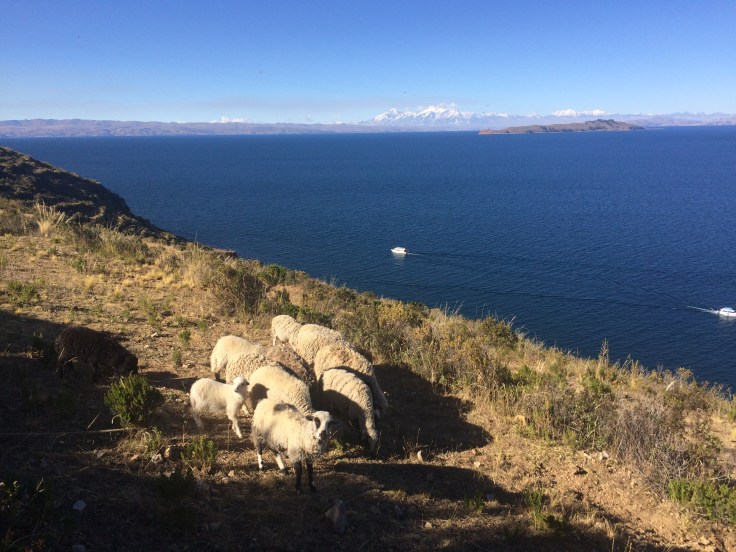
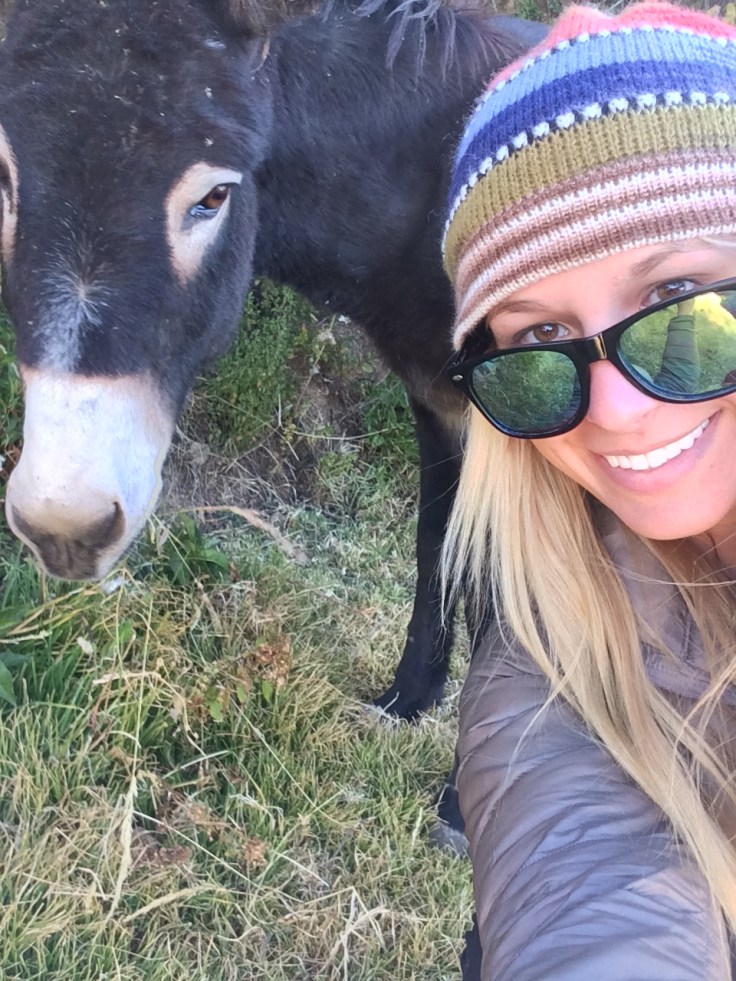
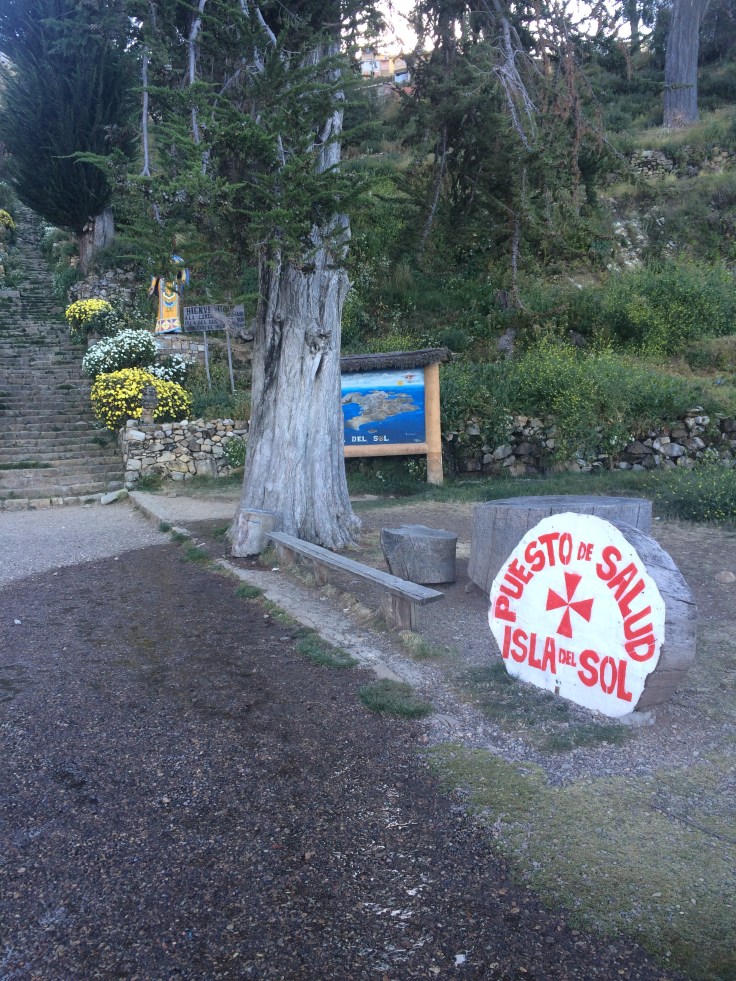
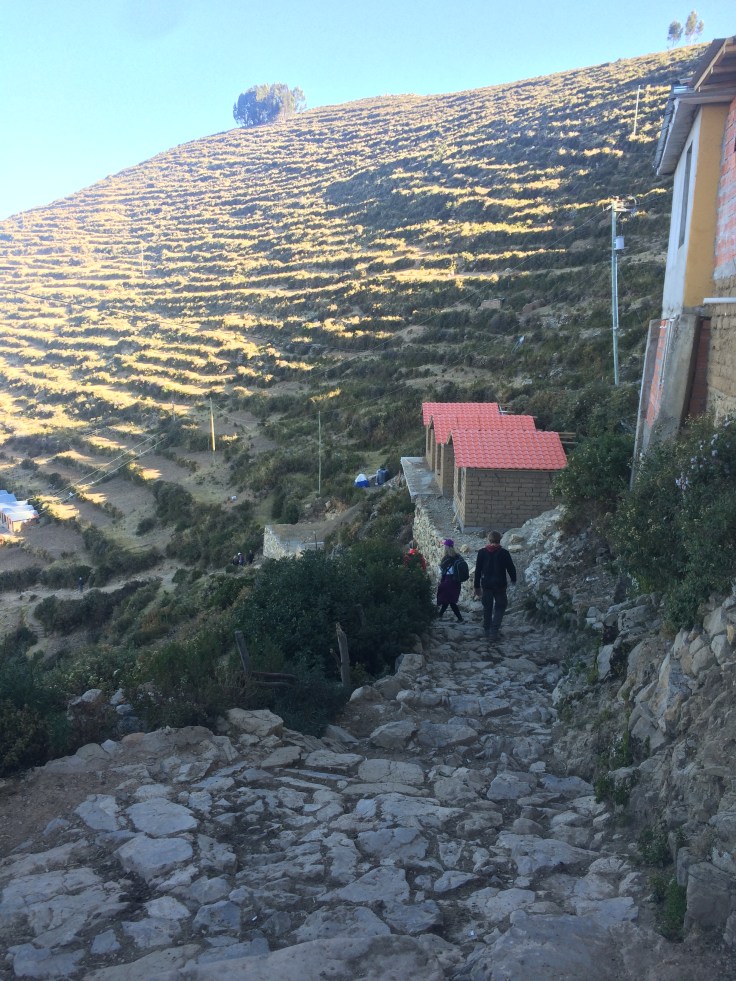 After our short trek across Isla del Sol, we boarded our boat again to make the 1.5 hour journey back to Copacabana. We then boarded the bus, and drove the 4 hours to La Paz, the capital of Bolivia. The ride was exciting for 2 mains reasons–1) At one point, we had to get off the bus and ride a small motorboat across a Lake Titicaca tributary, while our bus floated by on a ferry. We then reboarded on the other side. This experience was unique and fun, but made me appreciate bridges all the same. 2) We watched one of my favorite movies of all time on the bus ride–Interstellar!! Yes, I am not ashamed of my nerdiness.
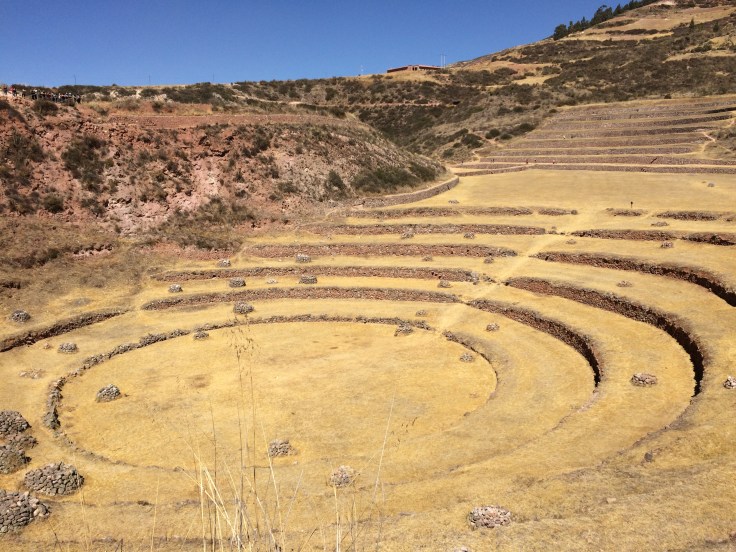
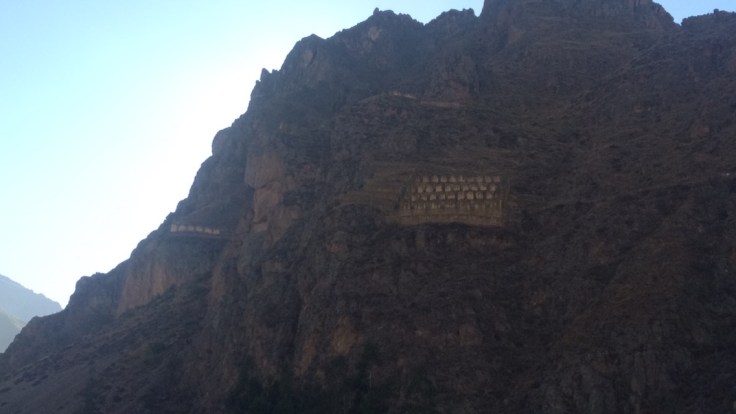
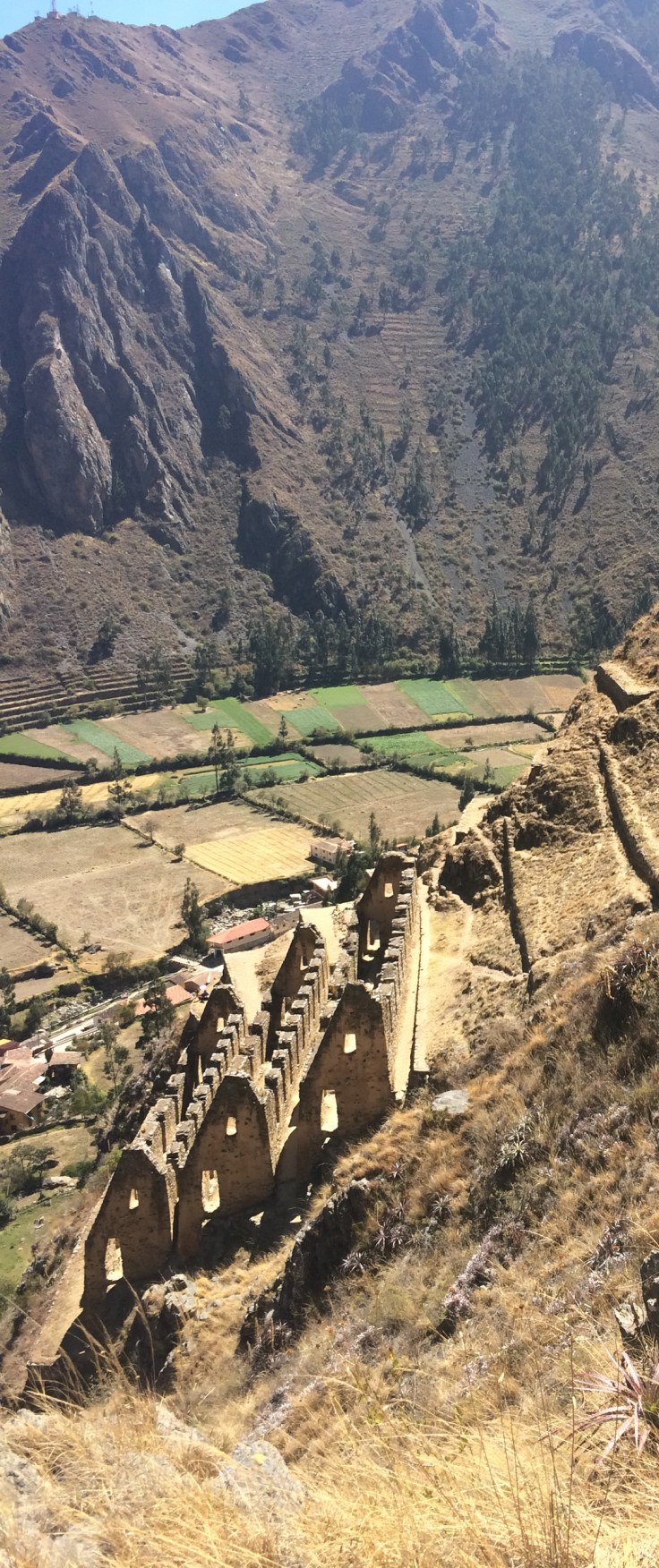
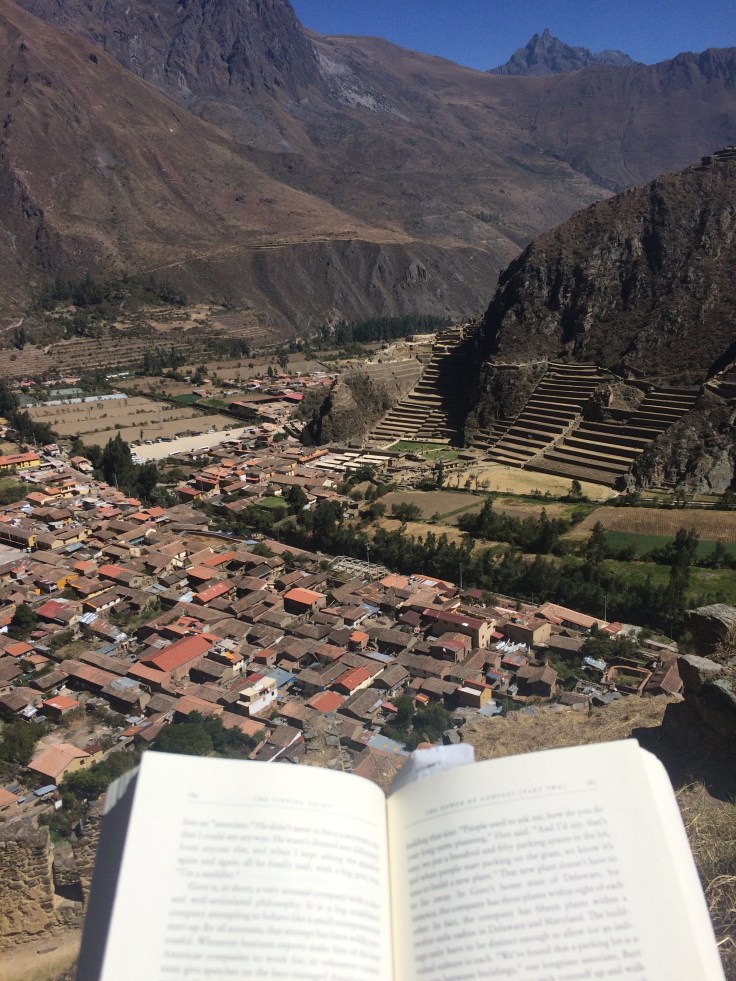
 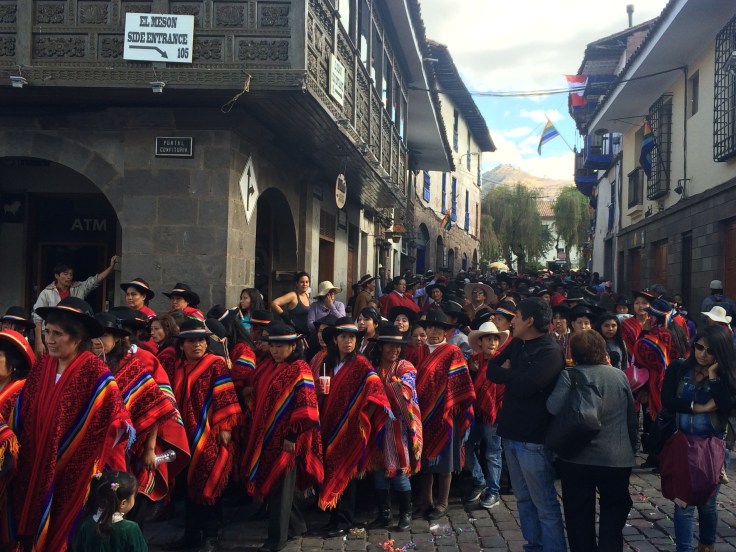 Our tour guide, Angel, was exceptional. He explained to us how Cusco was the center of the Incan world, and how the roads delineate the four regions of the Incan empire, stretching into modern Colombia, Chile, and Bolivia.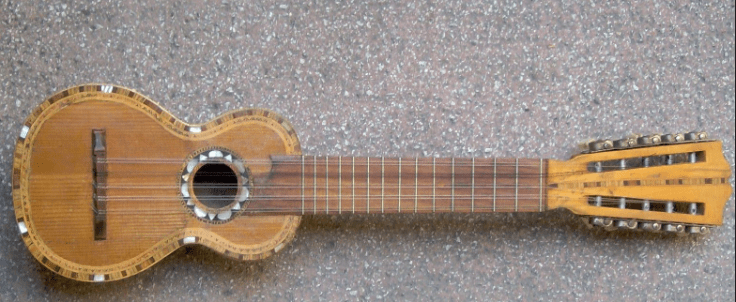
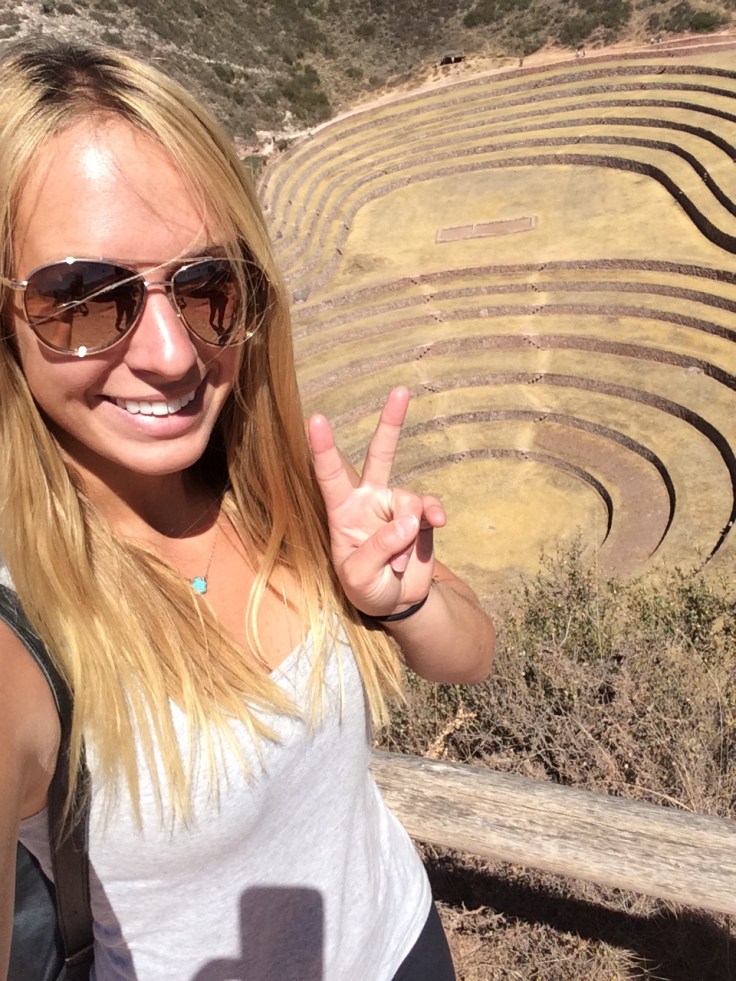
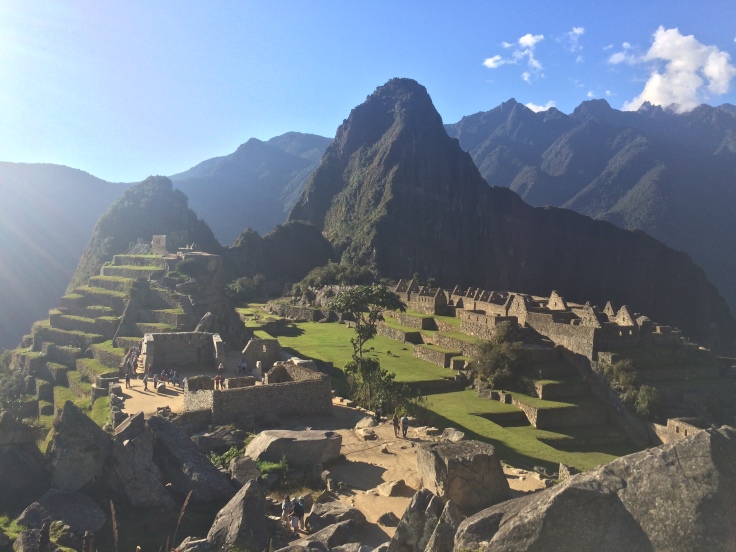

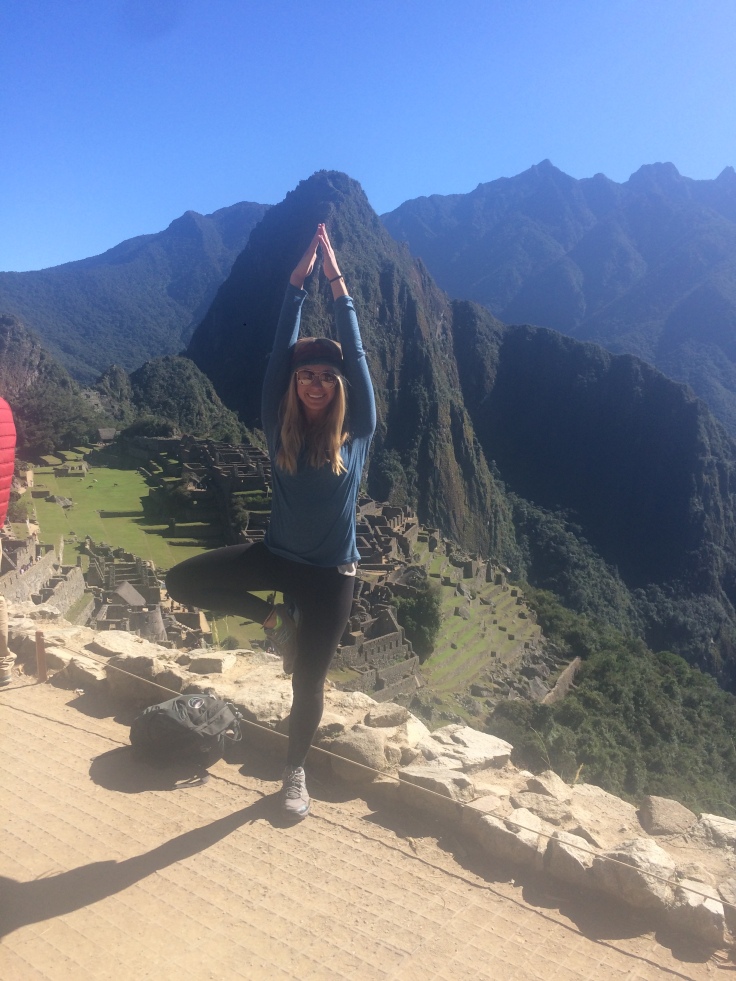

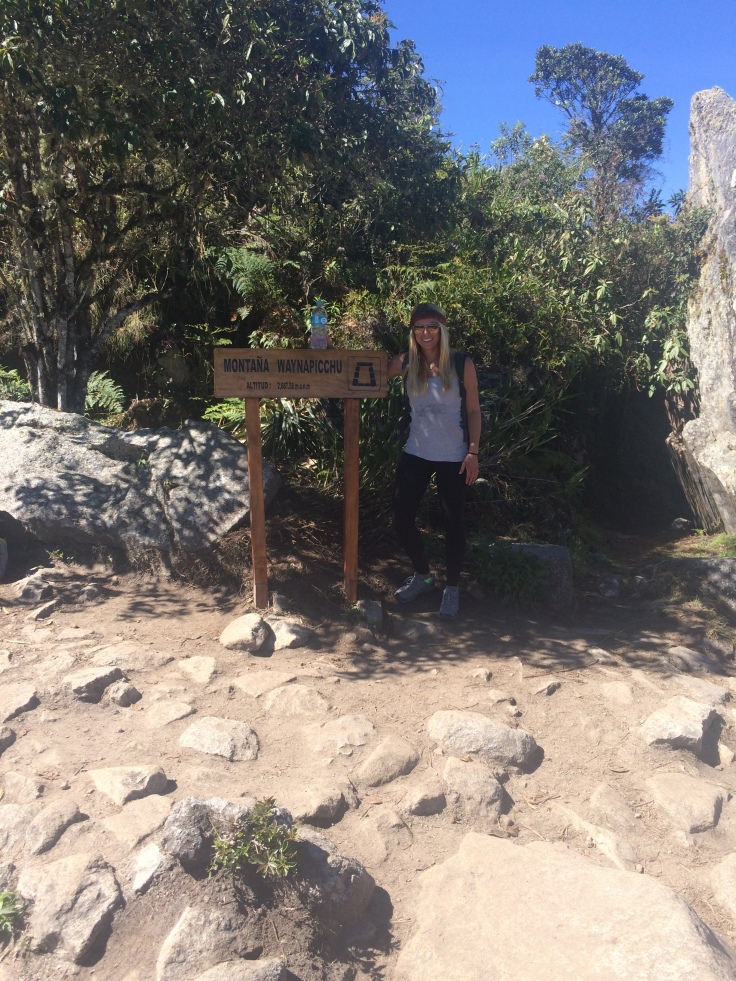


 After making my way back down (and almost dropping my iPhone off the side of the mountain…a very close call!), I met up with Sarah and Rachele for lunch. They wanted to leave early to head back to Aguas Calientes, but I chose to stay a bit longer at Machu Picchu. After re-entering the park, I soon found myself on the trail to Intipunku, or the Sun Gate. This was my favorite part of my time at Machu Picchu! This was the original gate into the sacred city from the outside world, and the trek up from the city was about an hour up. The views of the city below were absolutely amazing. I also met a nice Russian along the way who was about to quit the trek…but I convinced him to keep going!

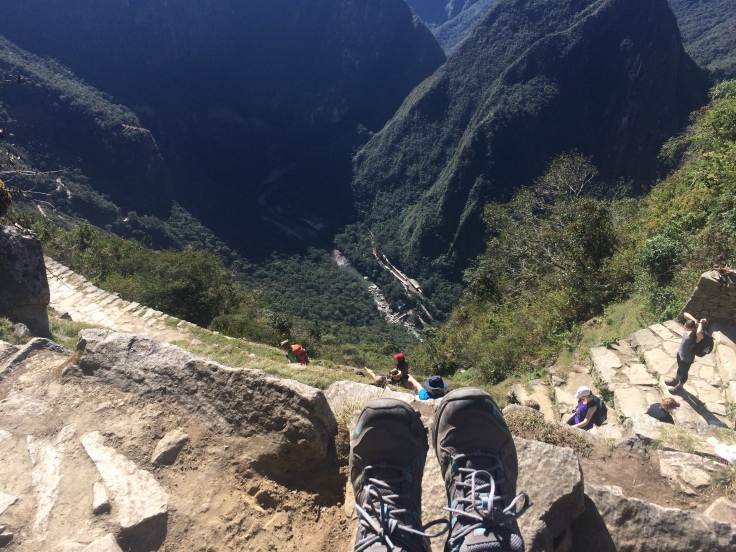

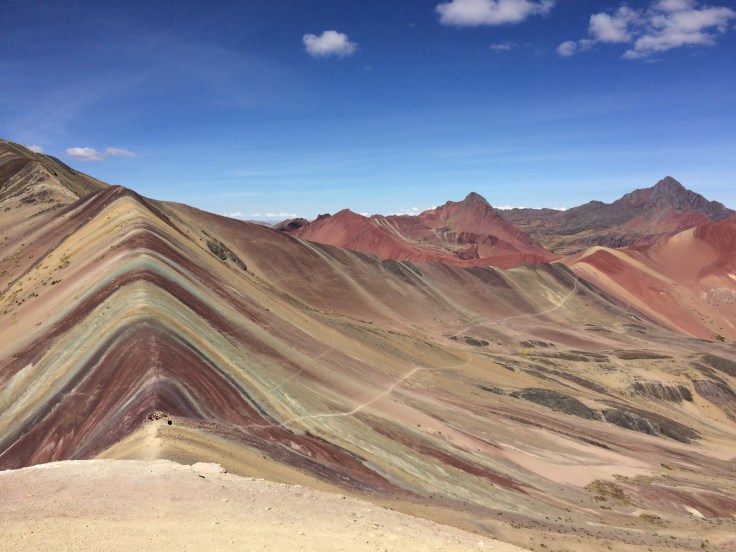

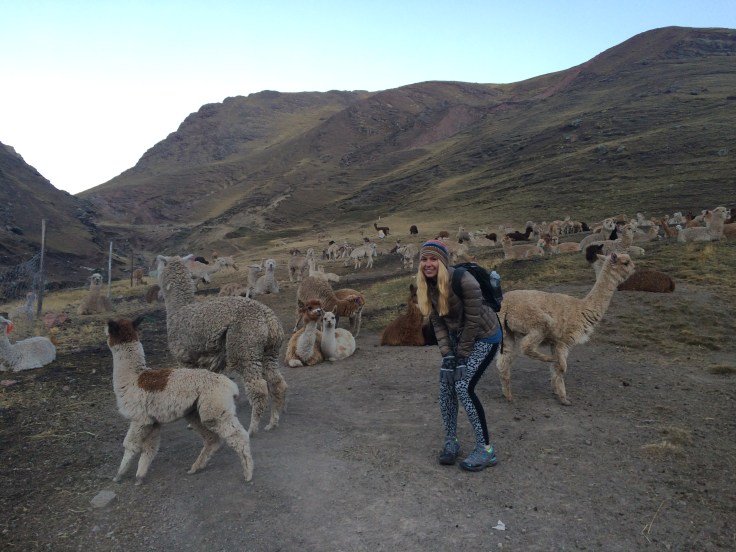
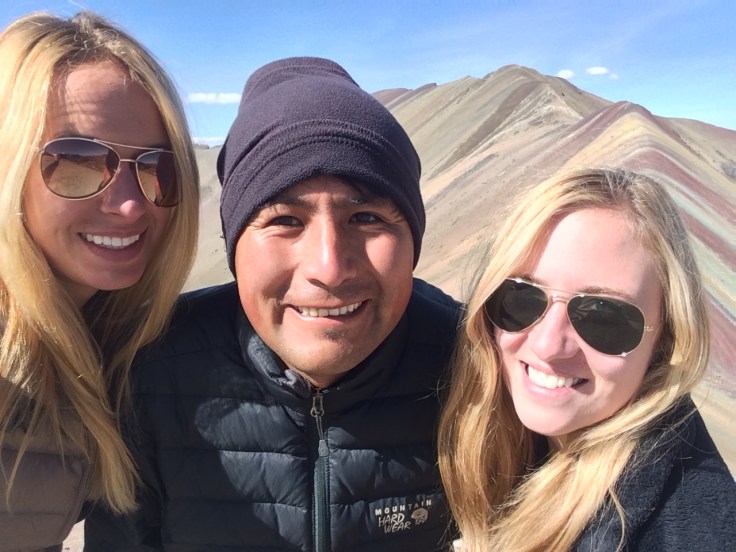
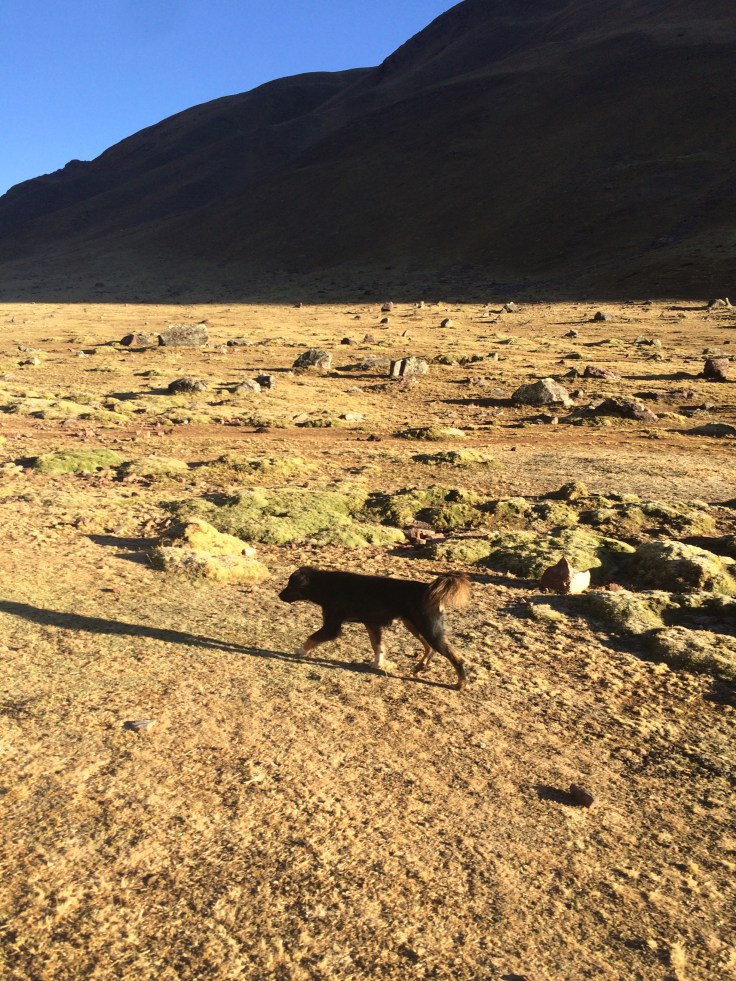

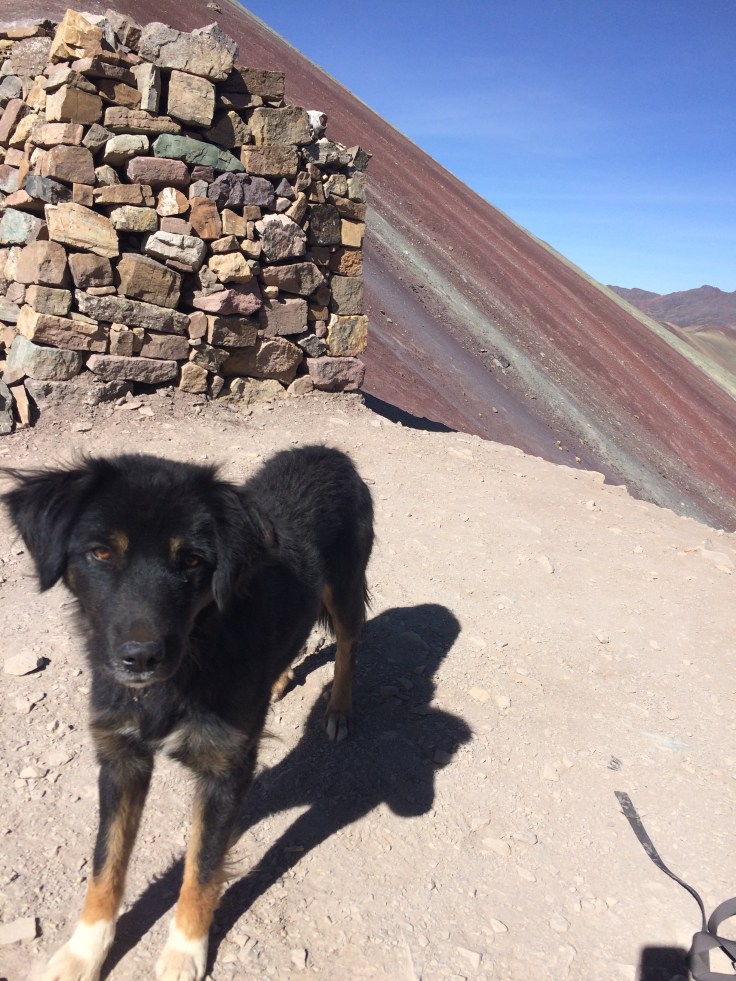
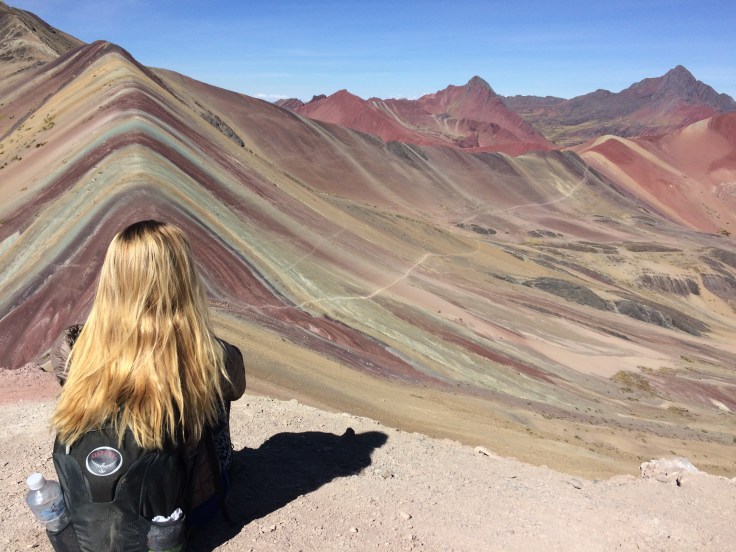
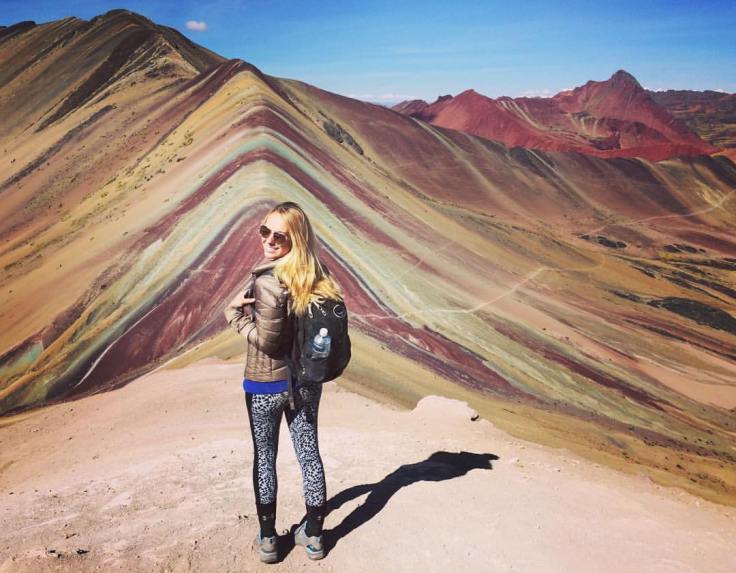
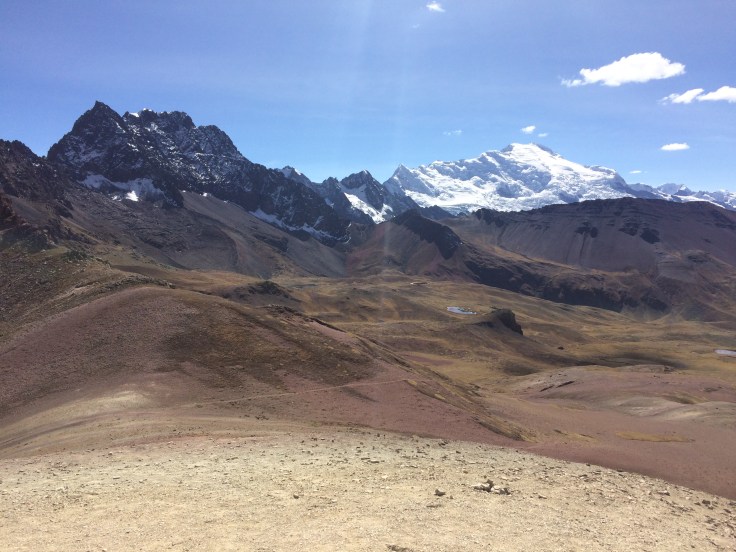
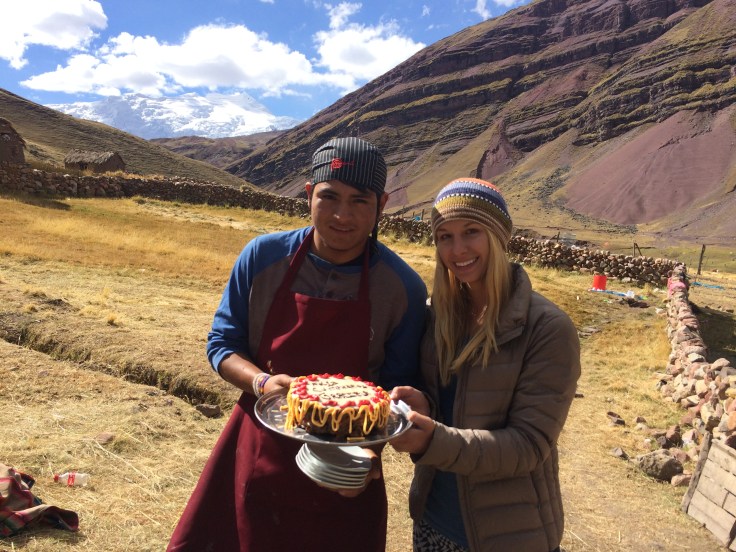
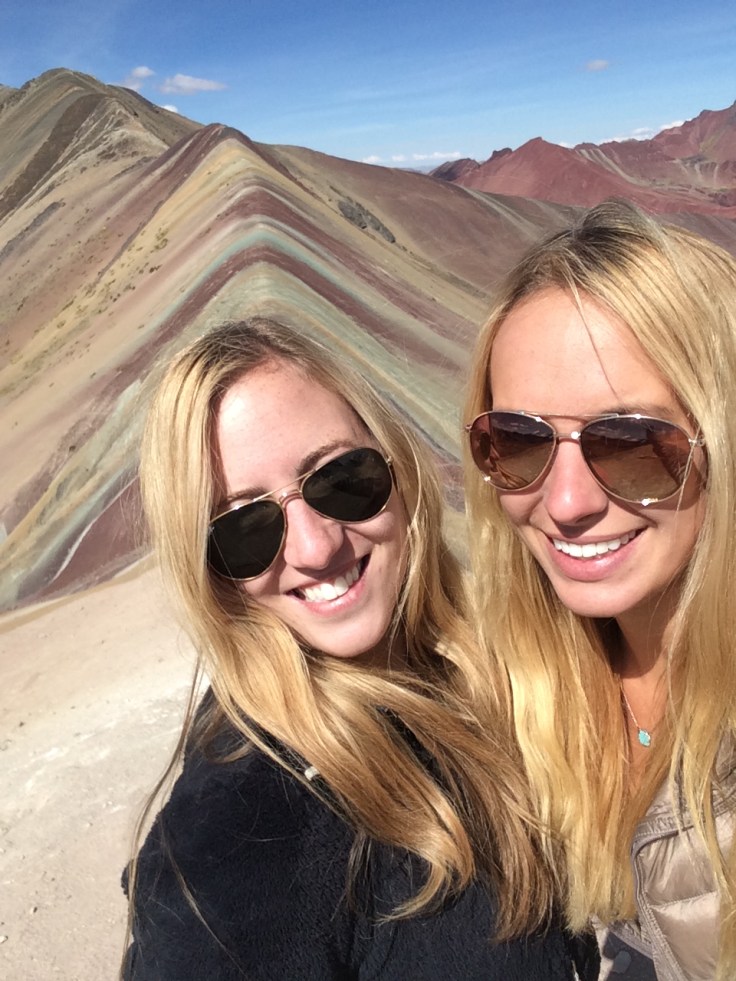 The altitude did not hit me until the trek downhill. We were well-stocked on natural supplements in the form of teas, pills, and candies to combat the altitude, but I think these items can only help so much. Somehow, the way down was much harder for me than the way up. Although I did encounter some shortness of breath on the trek up, I had a terrible headache and achy knees on the way down. Abel had some special liquid that he put on his hands for us to inhale that helped a bit. After what felt like forever, we were back at the base camp, where they prepared a huge lunch for us! Sadly, we were all feeling a little nauseated, so we didn’t eat a lot.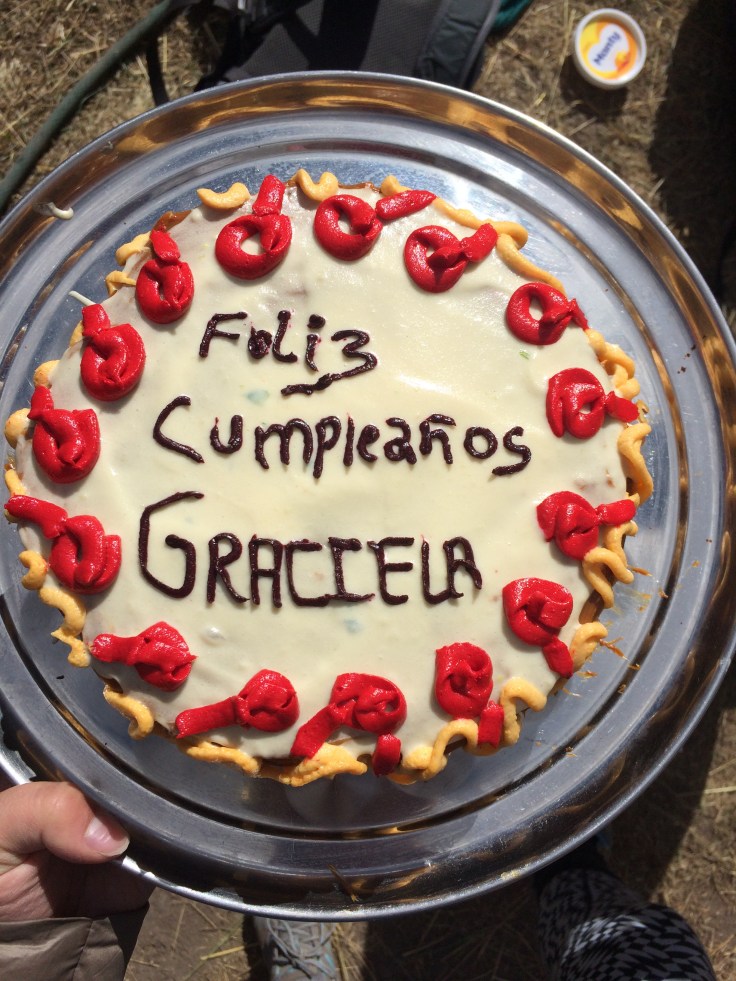

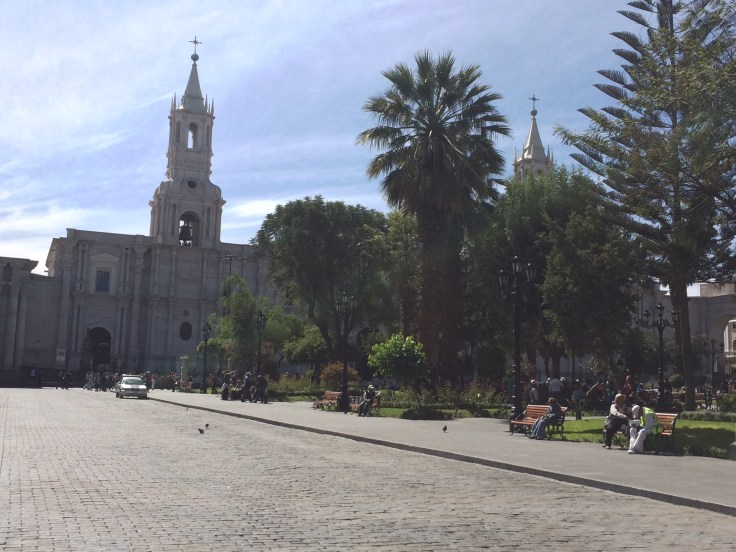
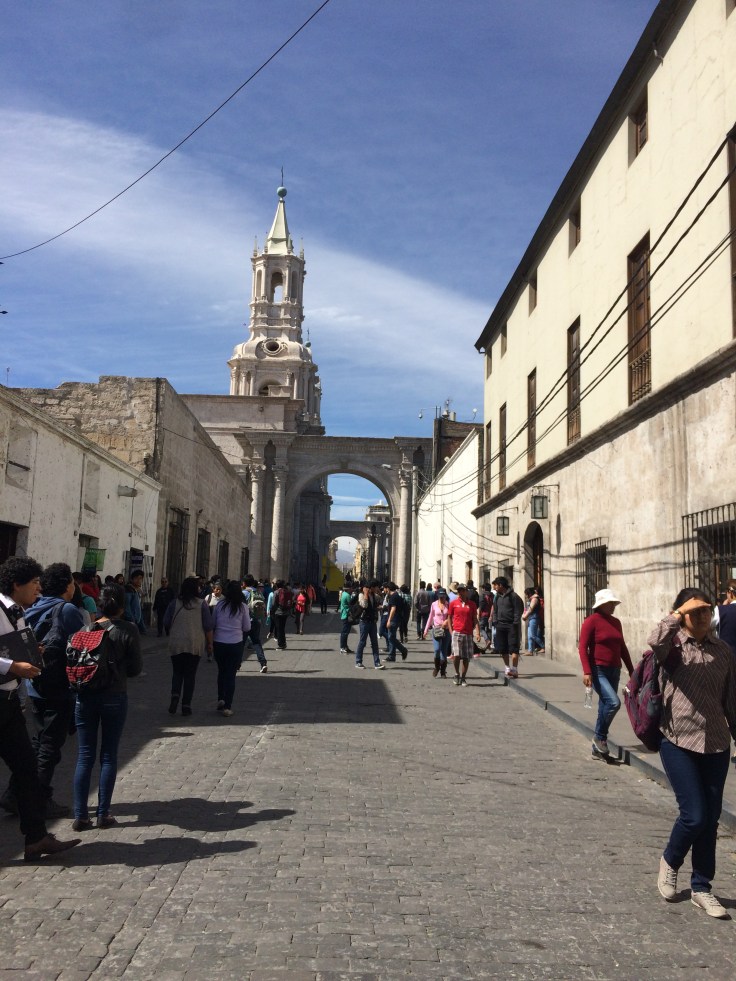 We arrived in Arequipa Thursday morning via overnight bus, and made 3 friends at the bus station to share a taxi with into the city center. One of these friends (a guy from Holland) told us about a fabulous local beer and chocolate shop, so we made plans to go here at noon together. After settling into the hostel, we met 2 girls from Germany for the second time (we had first met them back in Paracas!). They also knew our Dutch friend from a prior encounter (it’s so funny how small the world of Peru travelling is…you meet the same people over and over along the path!), so the 5 of us left for beer and chocolate at noon. The spot is called ChaqChao, and reminds me of a place I’d find in Brooklyn back home! It was just as good as its reputation. After enjoying some local brews and chocolates on the rooftop, we left to join a free walking tour of the city after grabbing a quick lunch. We soon decided to forego the walking tour and just relax and wander around the city together. It was nice to have such a laid back, unstructured day to soak in this new city with new friends. We also met the cutest baby alpacas ever!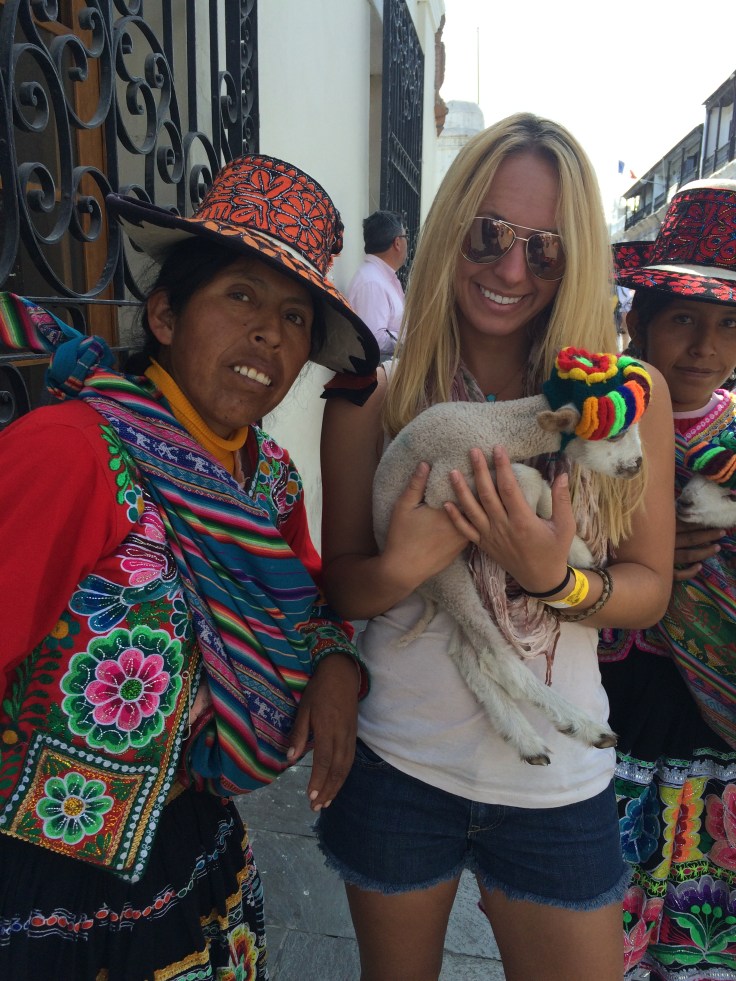

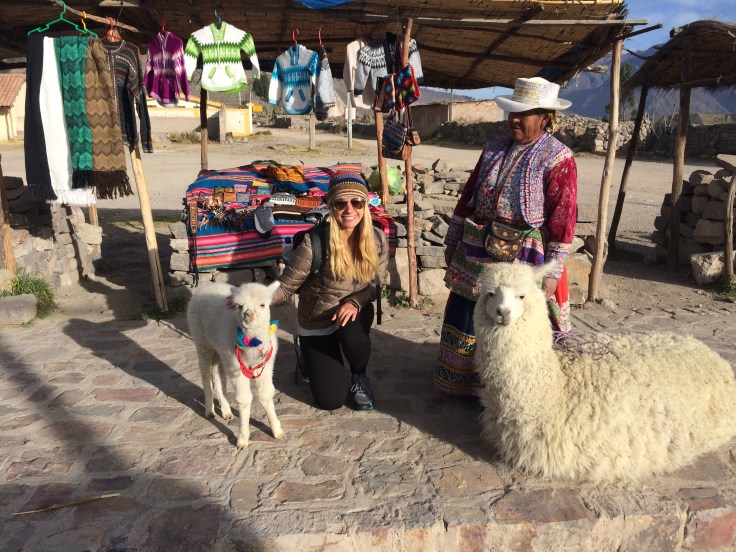
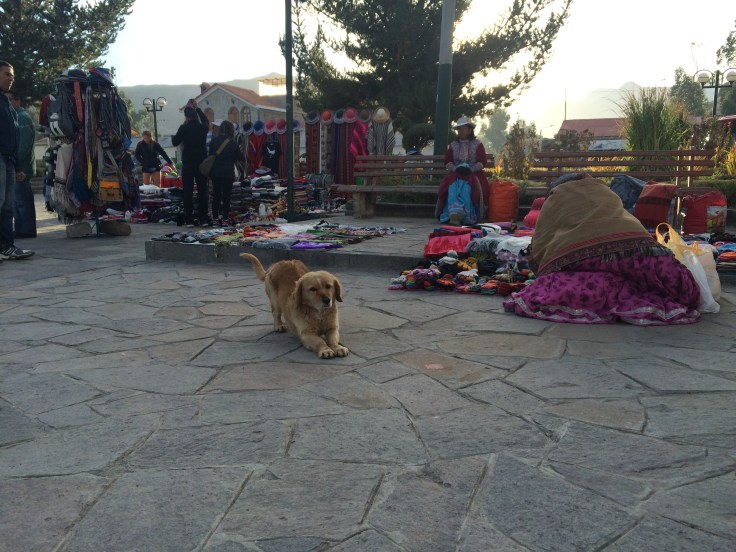
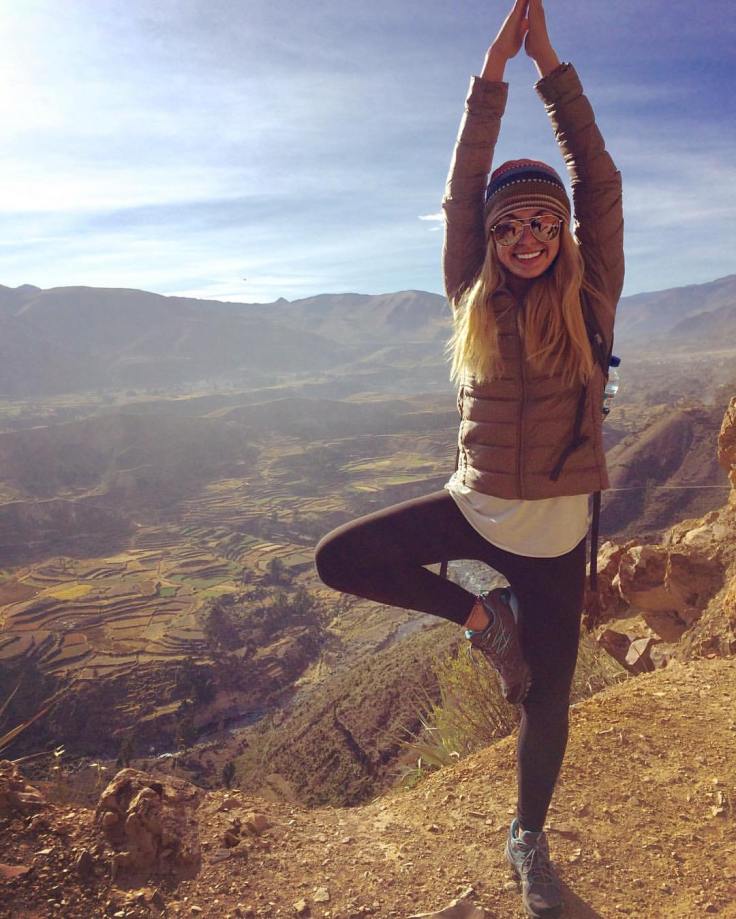
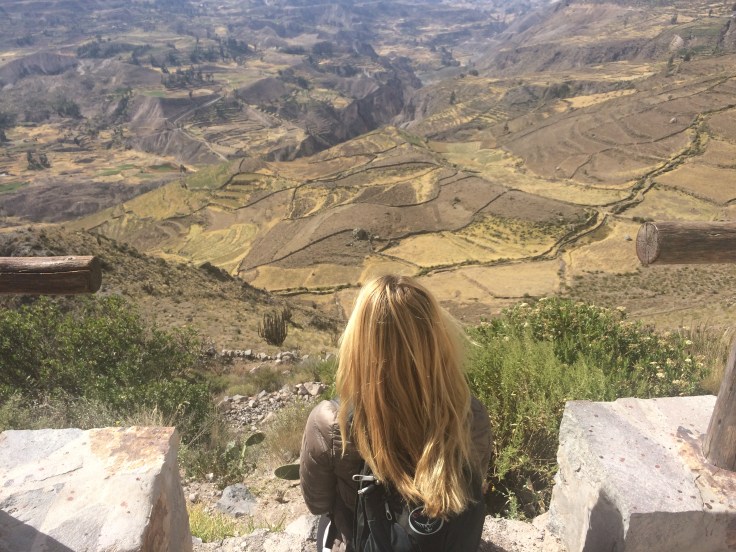
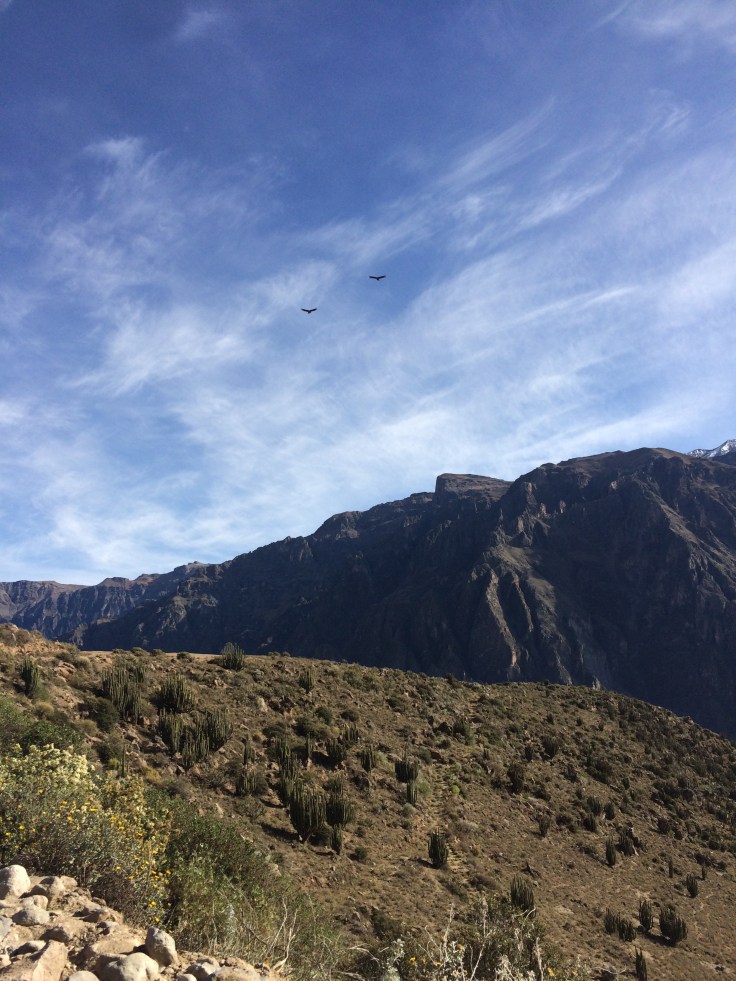
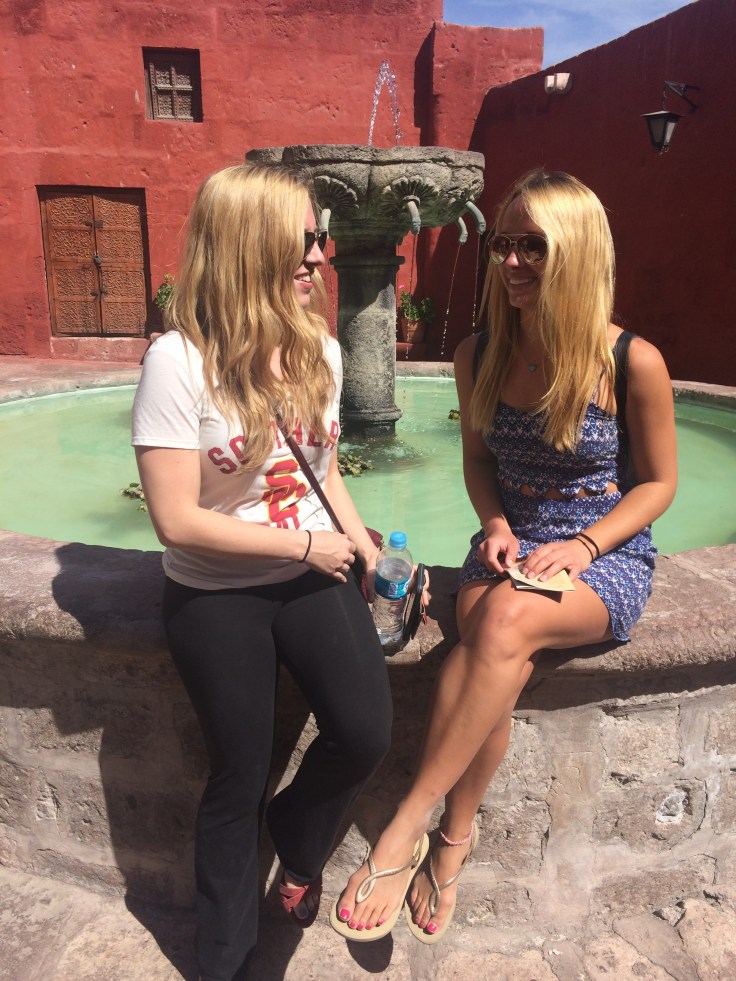
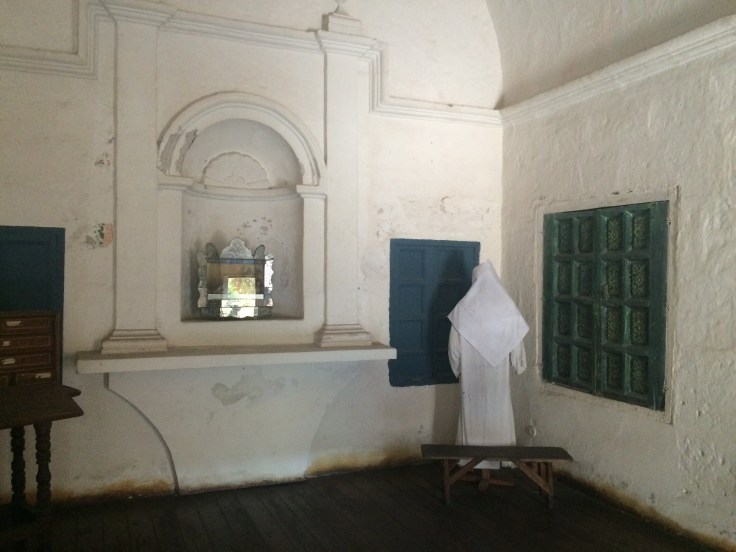
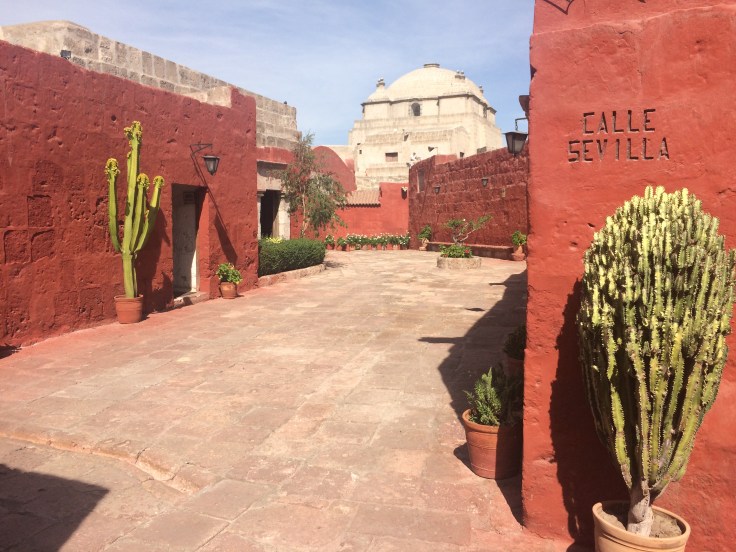
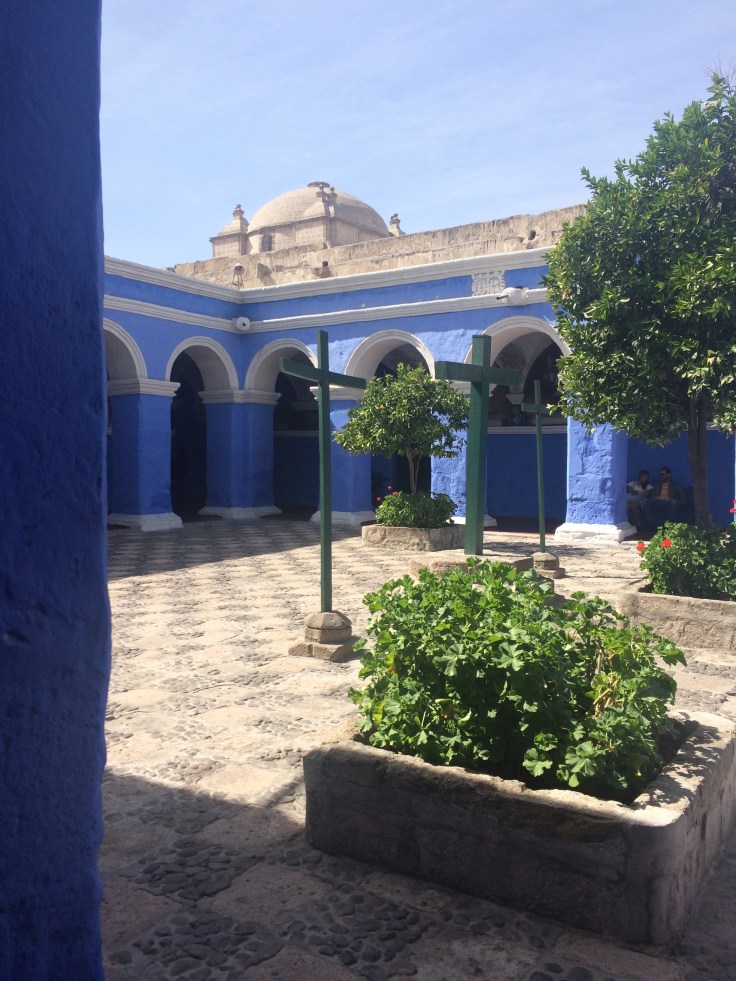 After getting lost in the maze of the monastery, Sarah and I went on to do some shopping for some authentic baby alpaca goods. Baby alpaca fabric is the softest version of alpaca wool and is always from an alpaca’s first shave, meaning it is pricier and more rare but a higher quality than regular alpaca. Arequipa is known for its alpaca goods. I was excited to find a baby alpaca scarf/poncho that I can wear 8 different ways for only 120 soles! 🙂
 This morning, we flew to Cusco and met our friend Rachele. Now, it’s time to prepare for some of the literal high points of our trip–Rainbow Mountain and Machu Picchu!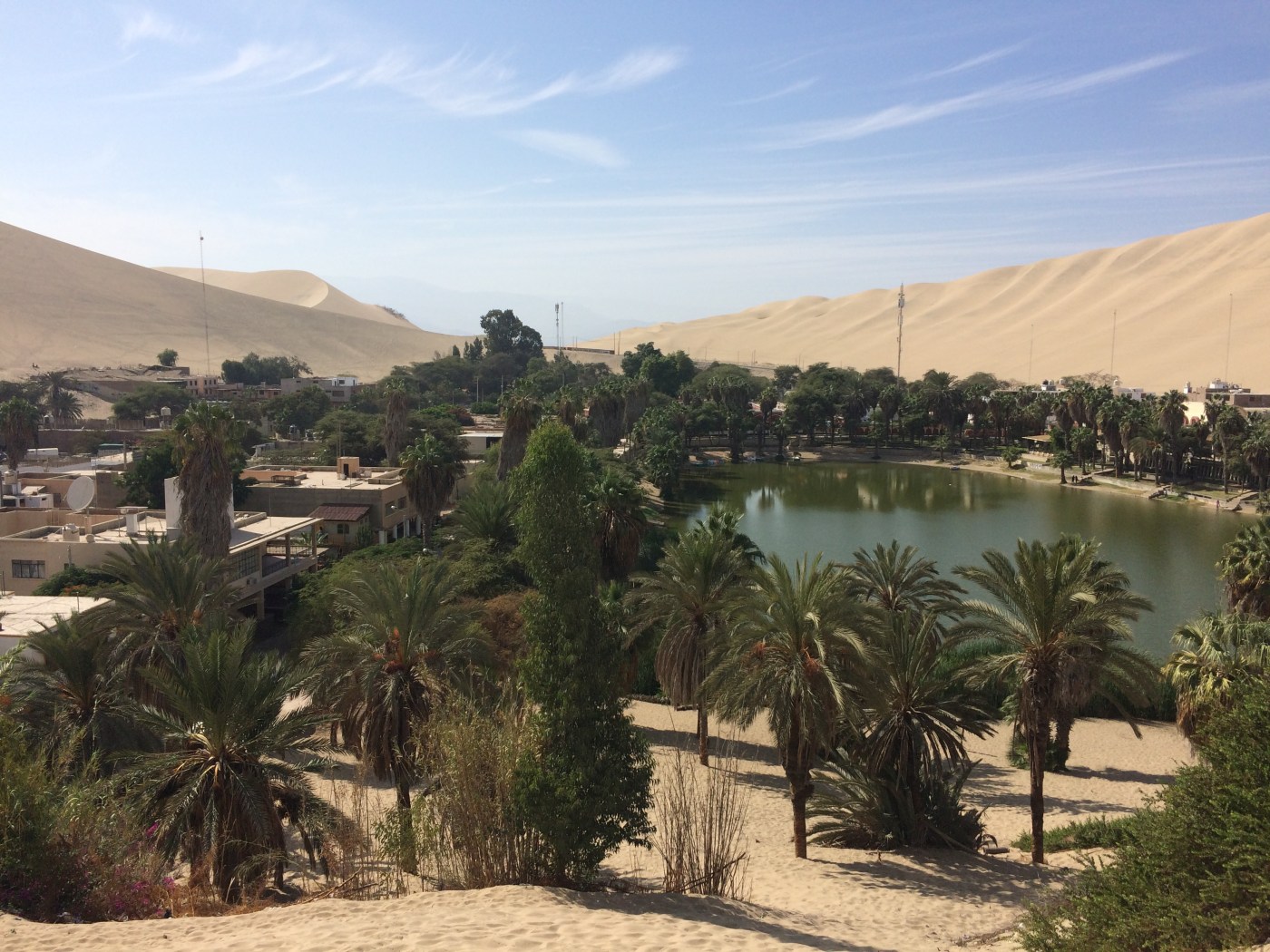
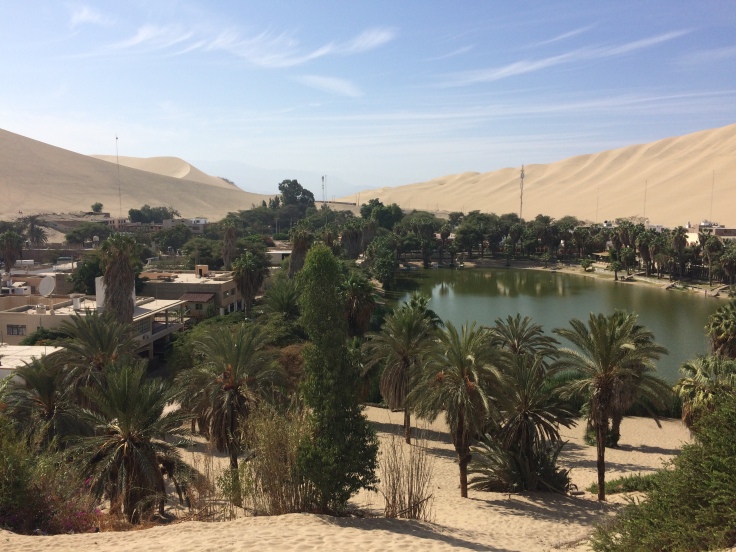
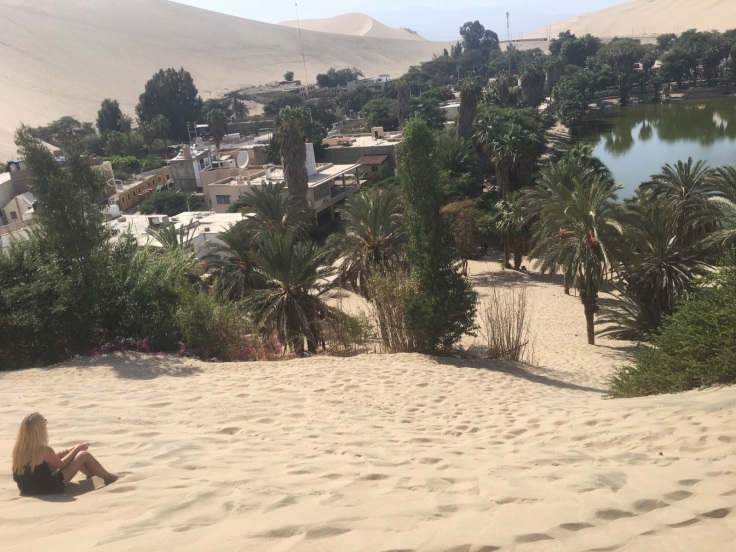


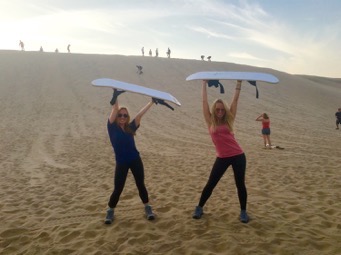
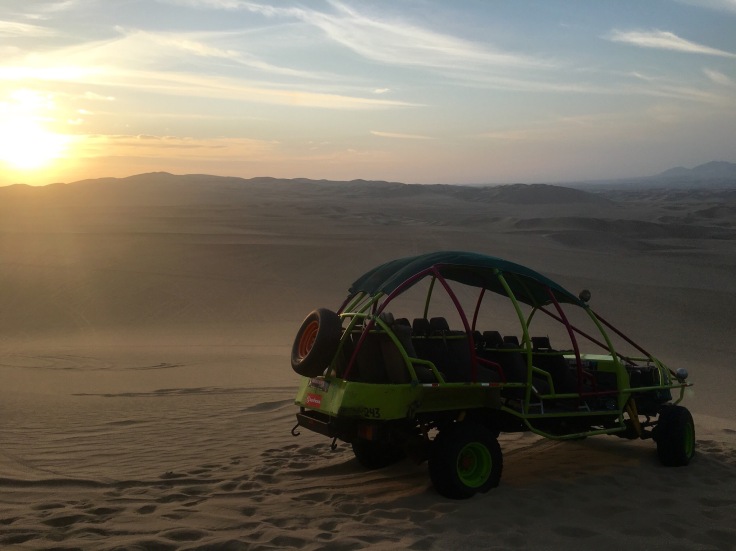
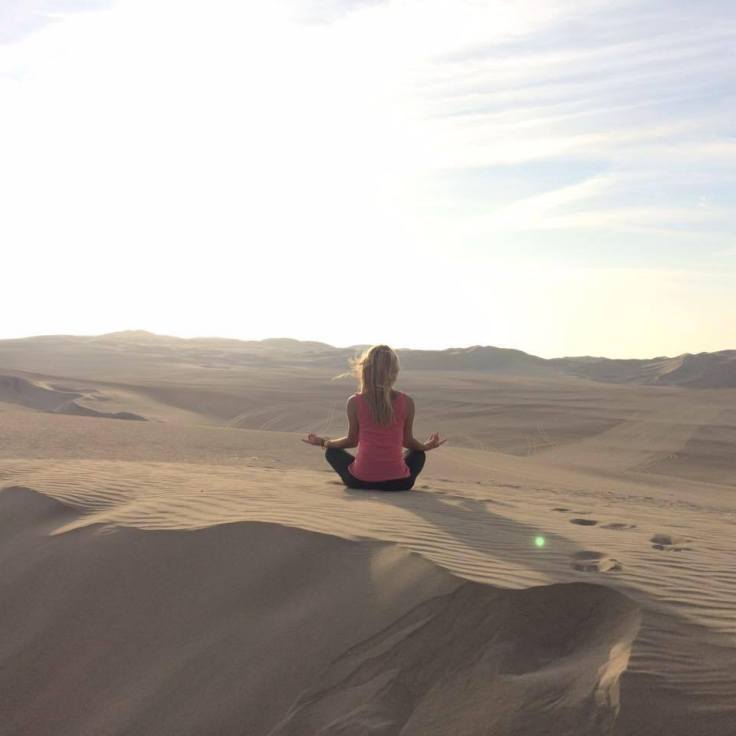
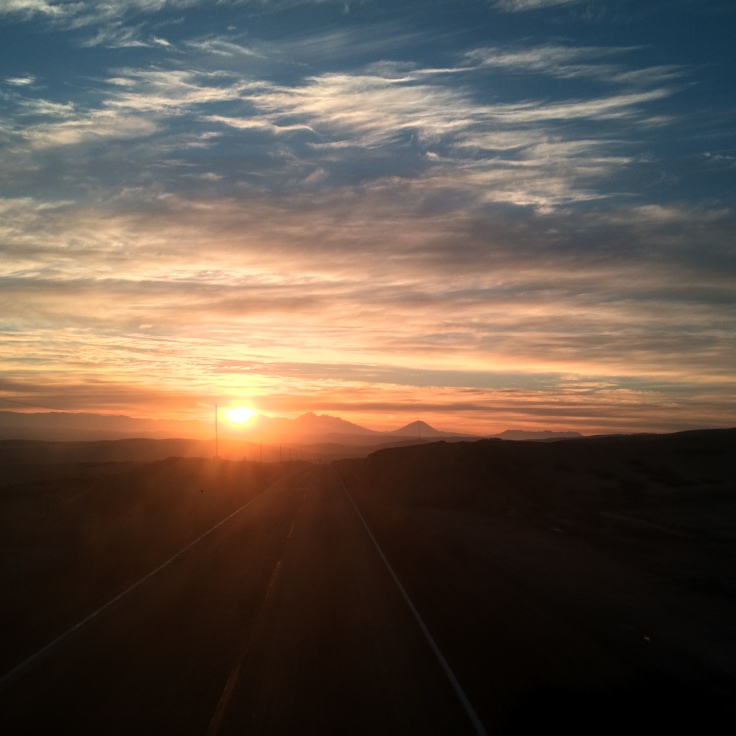
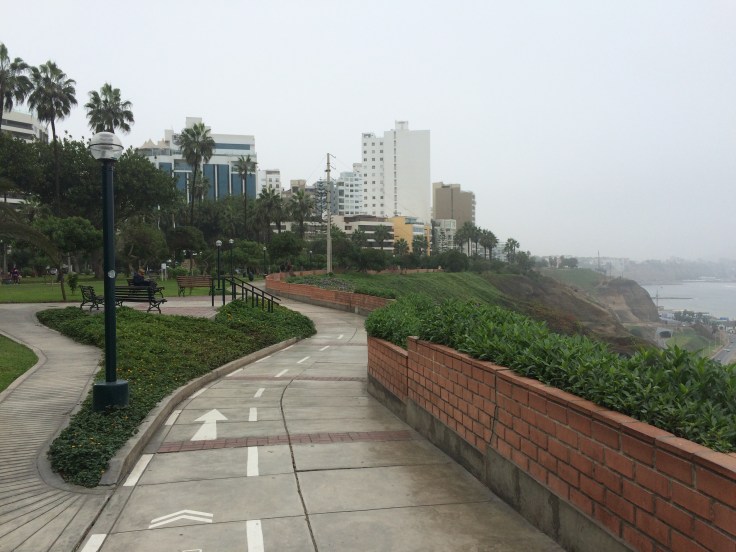
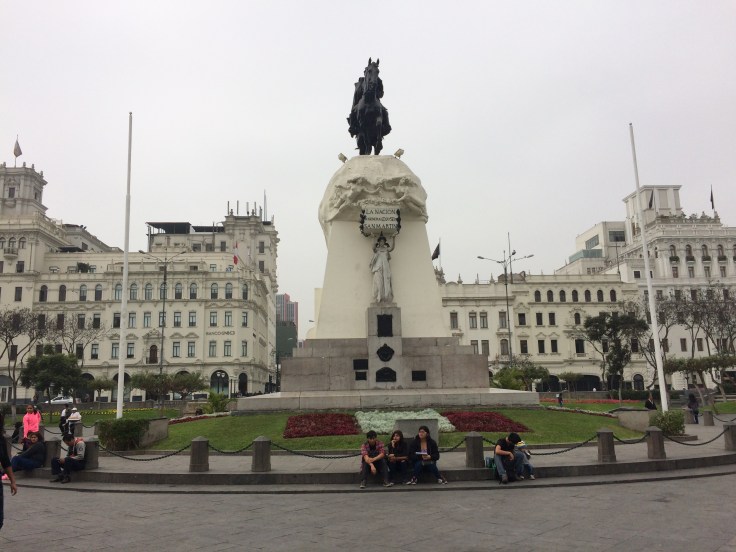


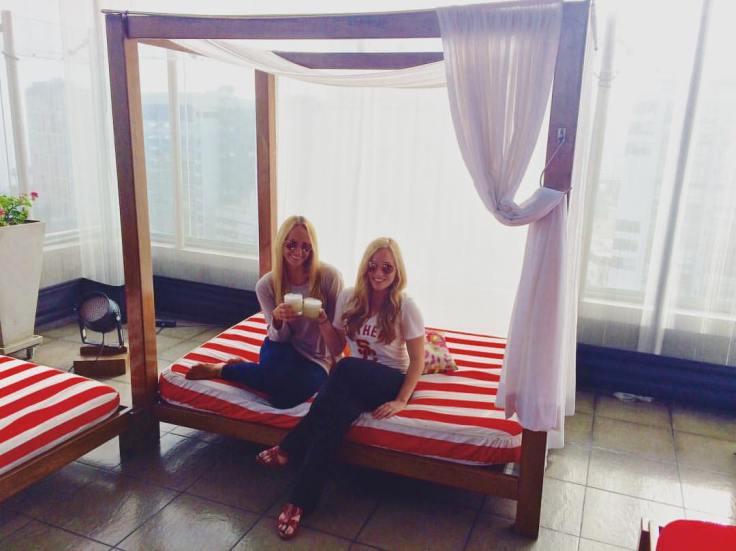
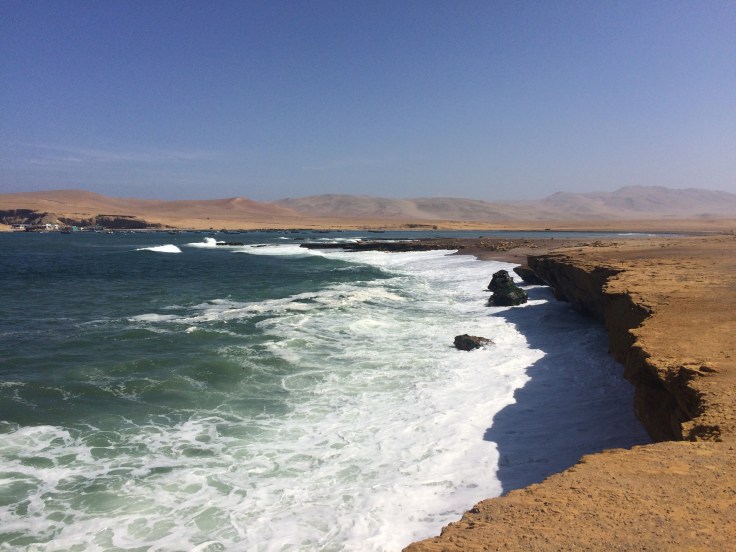
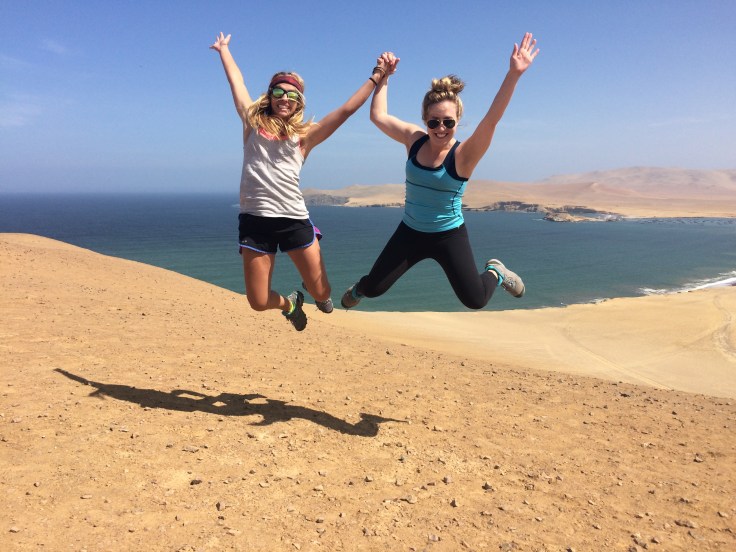
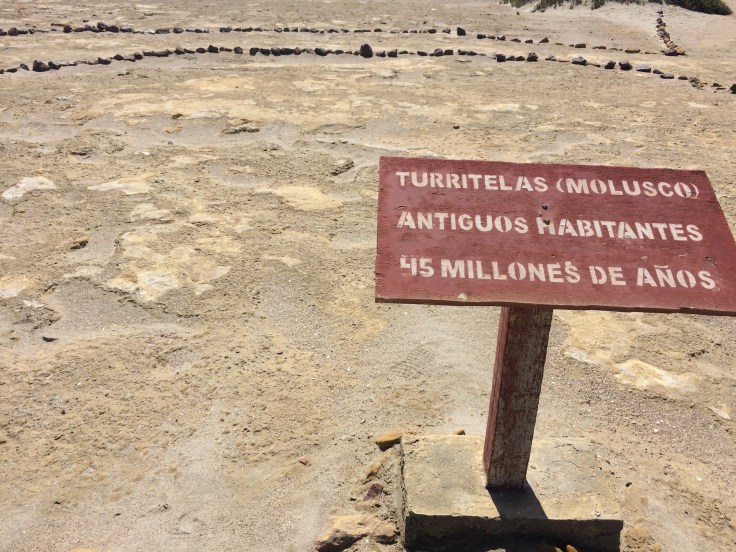
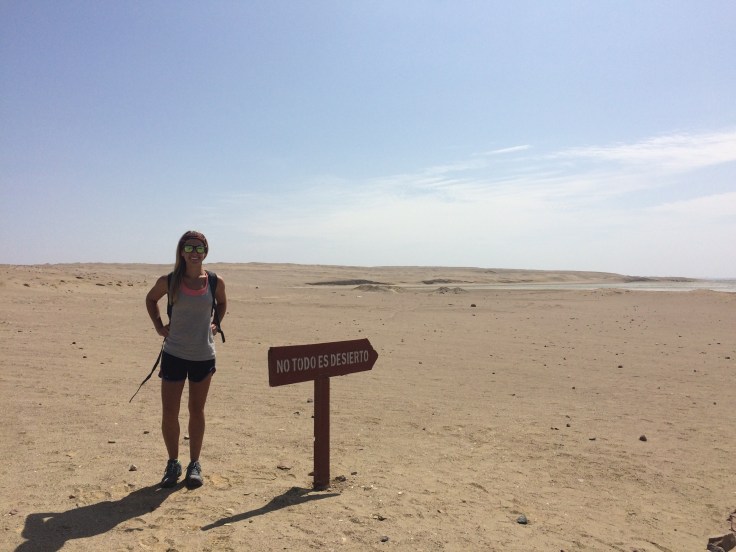
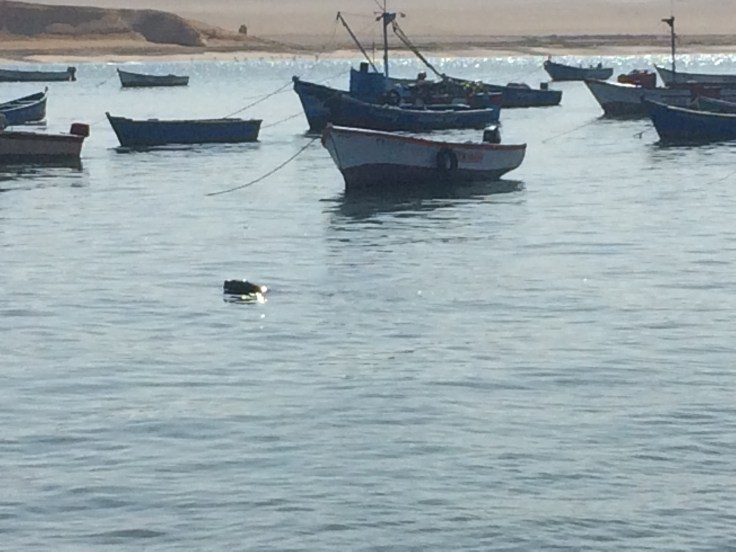
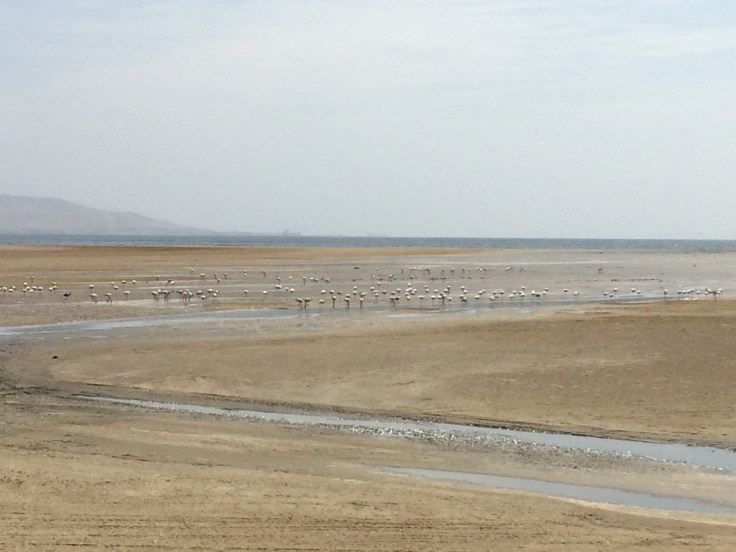 Paracas is a protected space along the coast of Peru, and only a small number of fisherman are permitted to fish along its coastline. For lunch, our guide took us to a restaurant on the reserve that serves fish caught in Paracas. Here, I had the best meal I have had since I left New York–fresh ceviche (raw fish, squid, and scallops marinated in lime) served with sweet potato chips and crisps (my favorite!). We enjoyed watching a sea lion play in the water right in front of our table during lunch.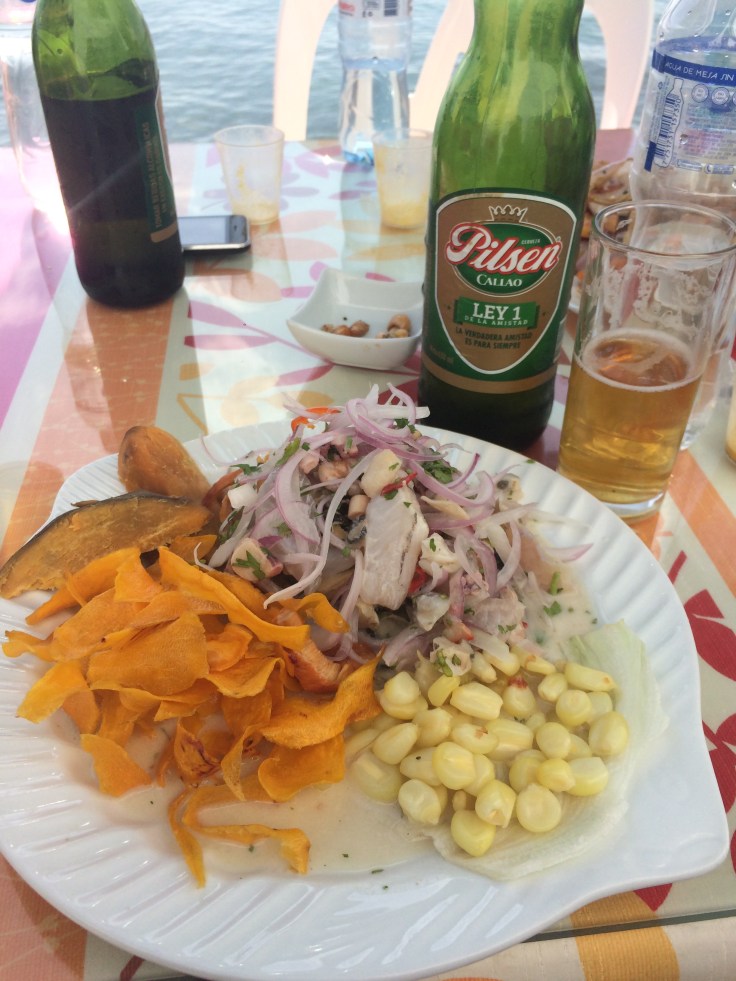


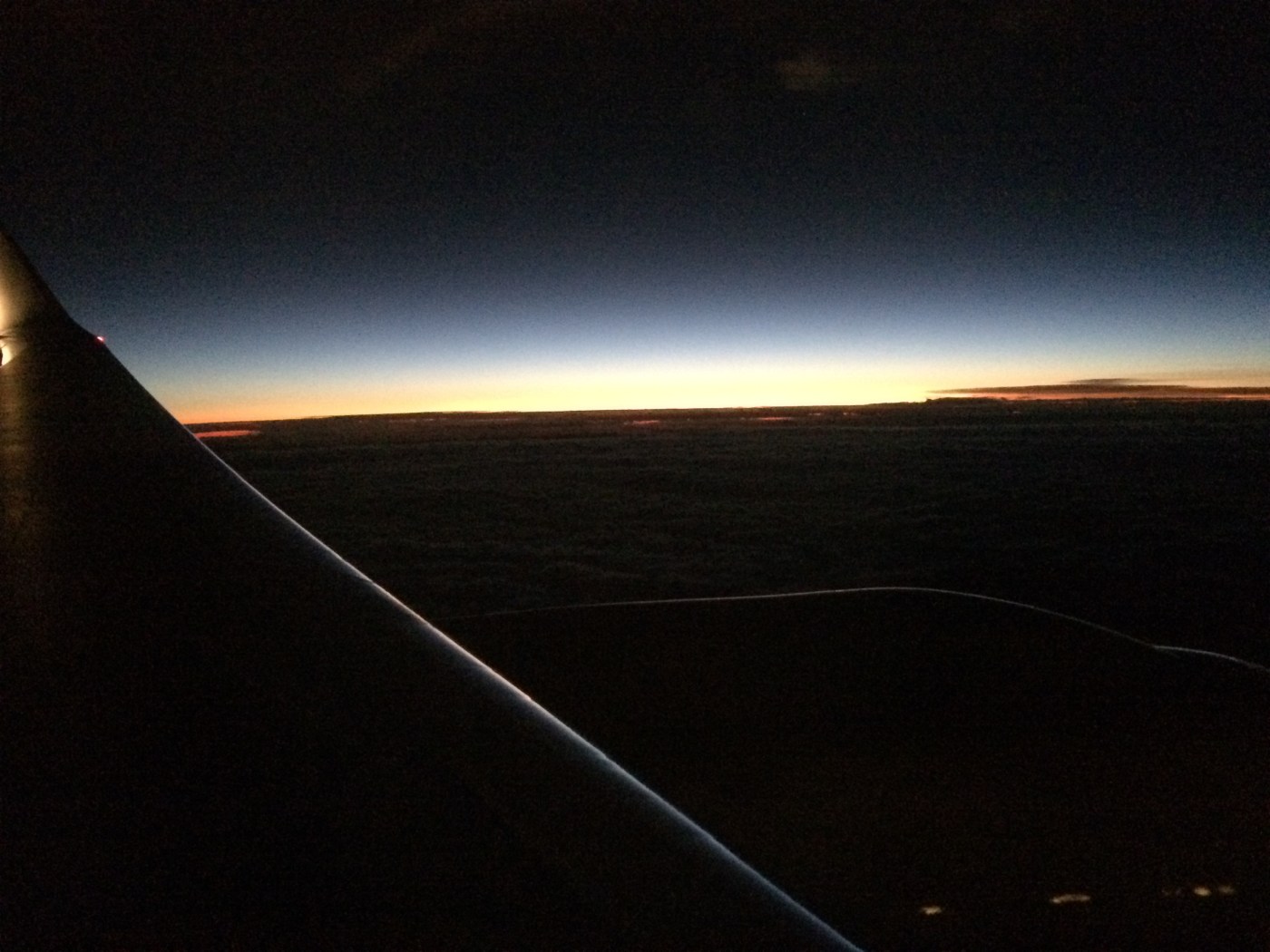
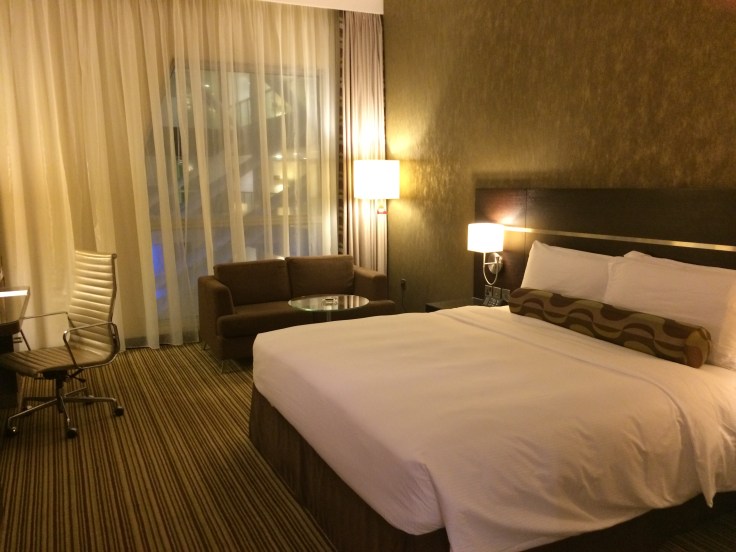
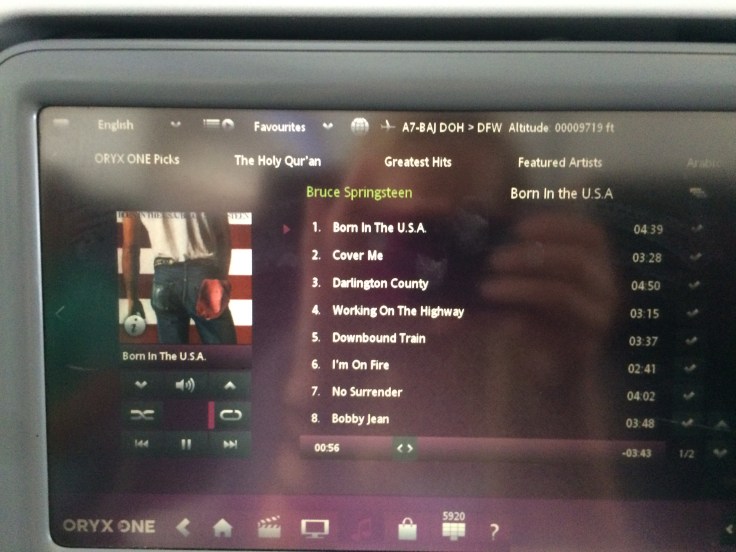
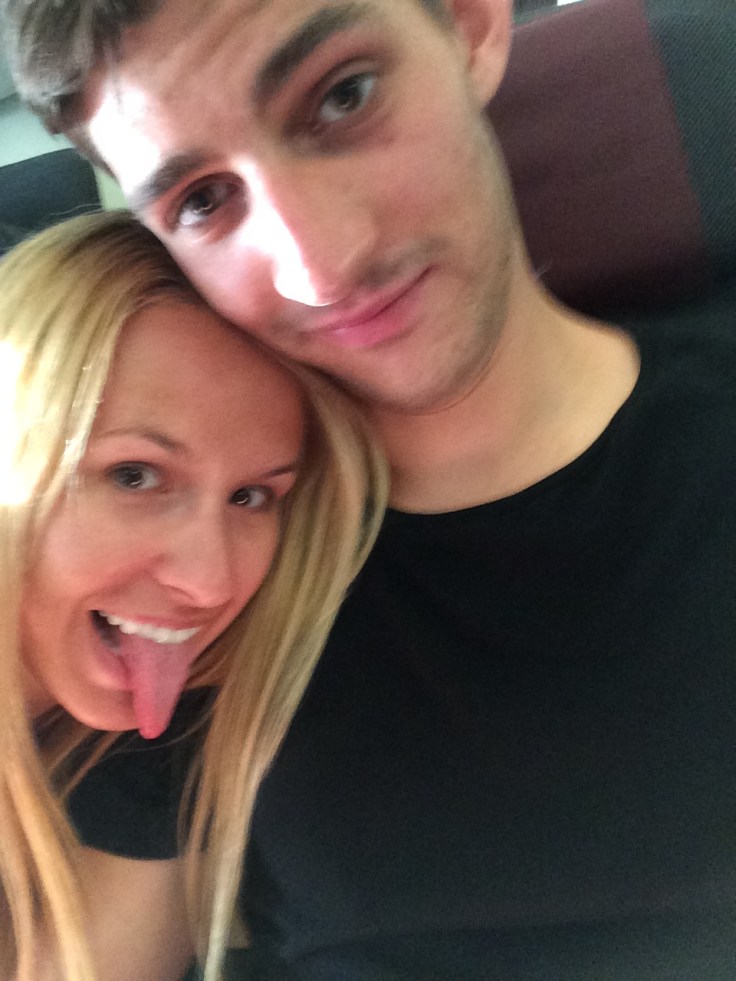 We said our “see you laters” in Doha around 11pm, as he was continuing back to London that evening. I was so happy to learn that Qatar Airways would provide me with free 5 star accommodations for the night before my 8am connection to Dallas. This was by far the “poshest” accommodation I’ve had yet on the journey! Thank you Qatar Airways! While I had initially been nervous to spend the night alone here, everyone in Qatar was extremely hospitable, helpful, and nice. I highly recommend Qatar Airways! After showering and catching a few hours of sleep in a big, fluffy, clean bed, I returned to the airport for my 16 hour flight to Dallas.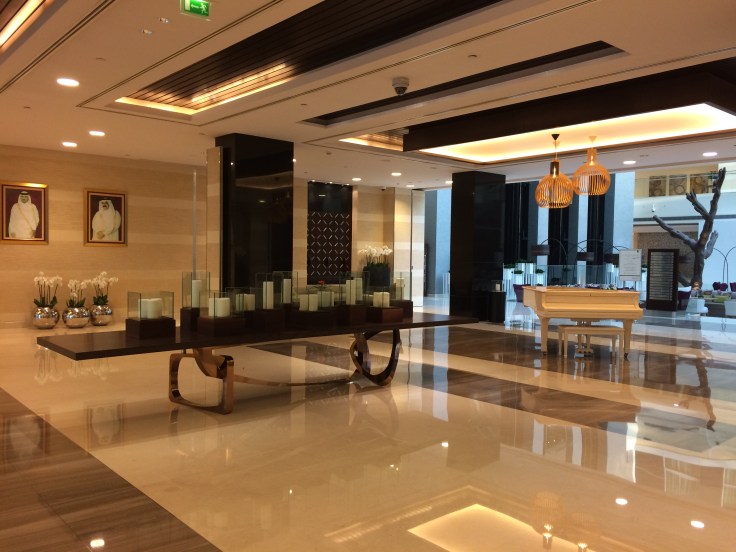



 a southern yankee abroad
Recent Comments