 “Travel is the one thing you buy that makes you richer.”
I could not agree more with this statement. Travel (along with education) is the most important investment you can make in your personal development.
But, let’s be real. Traveling is expensive. Once you decide to travel abroad, it helps to have a game plan in place to make the trip a reality. You do not have to have a trust fund or win the lottery to see the world! With some research, extra attention to spending habits, and patience, the world will be yours to see. Below are some of the tips and advice I’ve found to be helpful in the process.
Save, save, save! Once you decide upon a trip abroad as a goal, pay yourself to go. What do I mean? Take a close look at your budget (fixed costs v. discretionary spending). What can you live without? It is really as simple as deciding you can live without certain things, and setting the money you would otherwise spend aside. For example, as soon as I got back from Africa, I was so inspired to save money to travel more that I cut off my cable!

Websites like Mint can even help you set savings goals for vacations, and track your contributions on a regular basis. Also, most tour companies like EF Tours and G Adventures will let you make payments on the cost of your trip starting several months in advance, instead of paying the amount in full. Once you decide to travel, treat the saving process like paying bills (except this is a fun bill that actually gives back to you!). Remember, tours are all-inclusive (sometimes even including flights to and from), so this can be helpful if you want to work with a hard figure for your savings plan.
If you’re in college, study abroad! Often, financial aid packages will cover the costs of tuition and room and board expenses for study abroad, and living in a foreign country can be equal to (if you’re careful) or less than living in the US. My one regret from college was not pursuing a study abroad opportunity. All my friends who did it says it was a life-changing experience. At least visit the travel abroad office to investigate your options. It never hurts to ask!
Be on the lookout for flight deals. Flying is not as expensive as you’d think it might be! The growth of low-cost airlines has been a boon for budget-minded travelers, especially in Europe where they’ve been around a while.
I use Kayak to search for flight deals. It is a “metasearch” engine that searches for good deals across multiple search engines, so it’s better than just using Expedia or Priceline. It also includes a lot of deals from low cost airline providers. You are more likely to find a good deal on a flight if you can be flexible with your schedule (I recommend using the “flexible dates” function to compare prices across a range of workable departure and return dates). I also really like using Skypicker. Often, their results will show up in a Kayak search, but sometimes I like cross-checking against their website just in case (just be careful, because all Skypicker sales are final!)
For my upcoming long-term summer travel, I’ve managed to lock in my intercontinental flights (US to Asia to South America to Europe to US) for a much cheaper rate using Kayak/Skypicker than I found when searching for an around the world (“RTW”) flight ticket. However, this type of ticket may be sensible for you if you have a firm schedule for long-term travel. I highly recommend doing your research on Kayak and comparing it to RTW ticket prices you find on Airtreks.
Tip: I have no idea if it is true or if it is just me being superstitious, but I always search Kayak in “incognito mode” on Google Chrome, so as not to inflate prices on multiple searches. Maybe it is me being silly…but passing along, just in case!
Be as flexible as possible. As mentioned above, be flexible with your dates as much as you can be when searching flights by departure and return date (for example, it is often cheaper to leave on a Wednesday than a Friday). Also, be flexible with your airport of departure if you can. For example, searching a round trip ticket from Atlanta to London yields a price $910, while searching a round trip ticket from Birmingham, AL to London shows a price of $1,625…big difference!
Track “small” expenses. Something as basic as your passport will cost you $30, which is important to keep in mind as these small but critical expenses add up. Some countries will charge you for a visa to enter (anywhere from 35 USD for Zimbabwe to 80 USD for Vietnam to 135 USD for Bolivia), but many if not all European countries and some South American countries will grant US citizens a free visa for a period of time, usually less than 90 days.
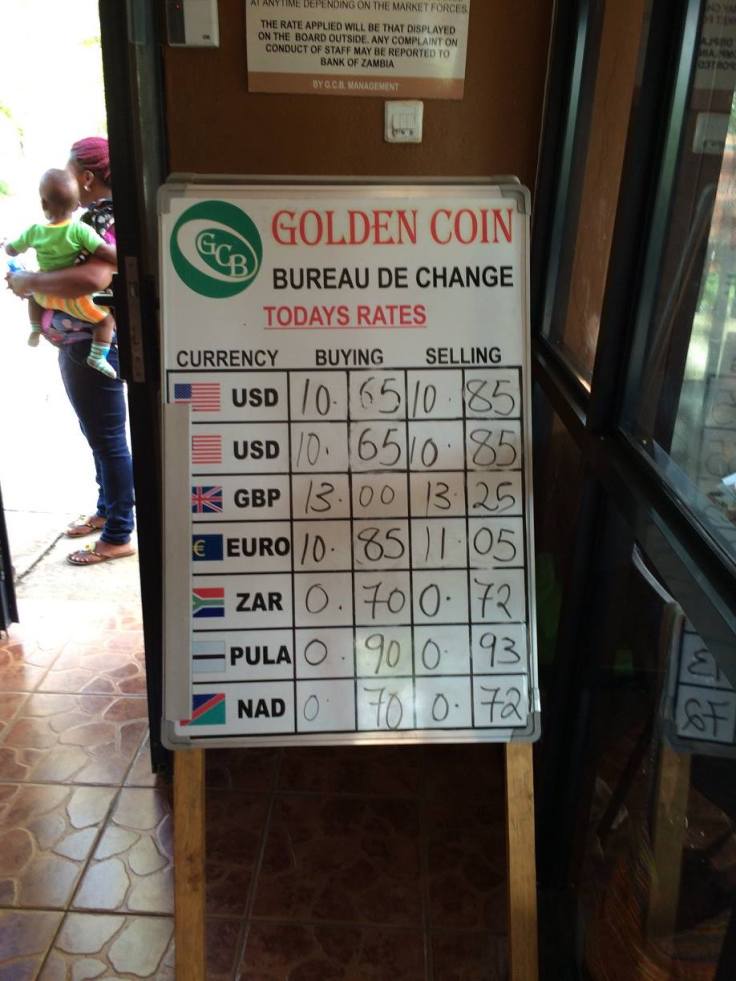
Try to avoid foreign transaction fees and currency exchange rates. Keep an eye on foreign transaction fees as you book transportation and accommodation overseas in advance, as well as when you use your credit card abroad. It is best to try to open a checking account with Charles Schwab (reimburses ATM fees) or obtain a credit card with no foreign transaction fee, such as a Chase Sapphire or Capital One card. Bank of America charges a 3% foreign transaction fee for each purchase made outside of the U.S. or Mexico…ouch! Try to use ATMs instead of currency exchange kiosks once abroad, as they will charge you exorbitant rates. You can usually order currencies from your bank ahead of your departure for a much lower rate.
Stay in hostels. This advice is especially true if you’re young and single (yeah!), but I’ve also found some family-friendly hostels in my search process. Hostels provide dorm-like conditions for the budget-minded traveler at costs as low as $8/night (this is what I am paying each night in Chiang Mai before I meet with my tour group in Bangkok). The trick is to make sure you reserve a hostel with a reputation for being clean and safe, as well as one that provides extra perks like free wifi, free breakfast, and a washing machine. I used Hostelword as well as word of mouth from friends when planning my hostel stays for this summer. Hostelworld features good, detailed reviews for each hostel. I also like their “flexible booking” system, meaning you can pay an extra $1 to receive a credit back on your deposit to use for another reservation should you cancel or change your reservation. This has proven very handy, as my plans have already fluctuated multiple times even a few months out!

Research the train system. I’m actually very excited for this tip, as I have yet to master the rail system in Europe (I’ve heard it’s great though!). While I am using low-cost airlines for some travel within Europe, I will be using the train for much of my travels. I recommend crunching the numbers to see if it is more cost-effective for you to buy a Eurail pass, or just buy tickets as you go. For me, I will just be buying tickets as I go along. The point is…don’t assume a “pass” is the cheapest option! Visit The Man in Seat 61 for awesome advice regarding train travel.
Enjoy and appreciate destinations closer to home. In the meantime, enjoy your home and the surrounding area as a destination! I’ve met plenty of people on my travels who have never visited the US, so take time to appreciate what is unique about the place around you. When it comes down to it, we all live in and are from a great travel destination…so own it!

I hope my tips have helped you realize traveling can become a reality with some planning ahead. Do you have any additional tips or questions about saving money to travel abroad?

 My visit to South Africa last December included a visit to the Apartheid Museum in Johannesburg. I went in with a general understanding of apartheid as a system of institutionalized racial segregation in South Africa in the late 20th century, mostly gleaned from brief overviews in a high school history class. However, I quickly realized how much more there was to learn from this painful chapter in history. The Apartheid Museum serves as a reminder that the struggle for equality still exists, in South Africa and around the world.






 a southern yankee abroad
Recent Comments